

B. Grimm Power Vietnam: Renewable Energy Investment
August 8, 2025
FPT Corporation Profile: Strategic Outlook & Financials
August 12, 2025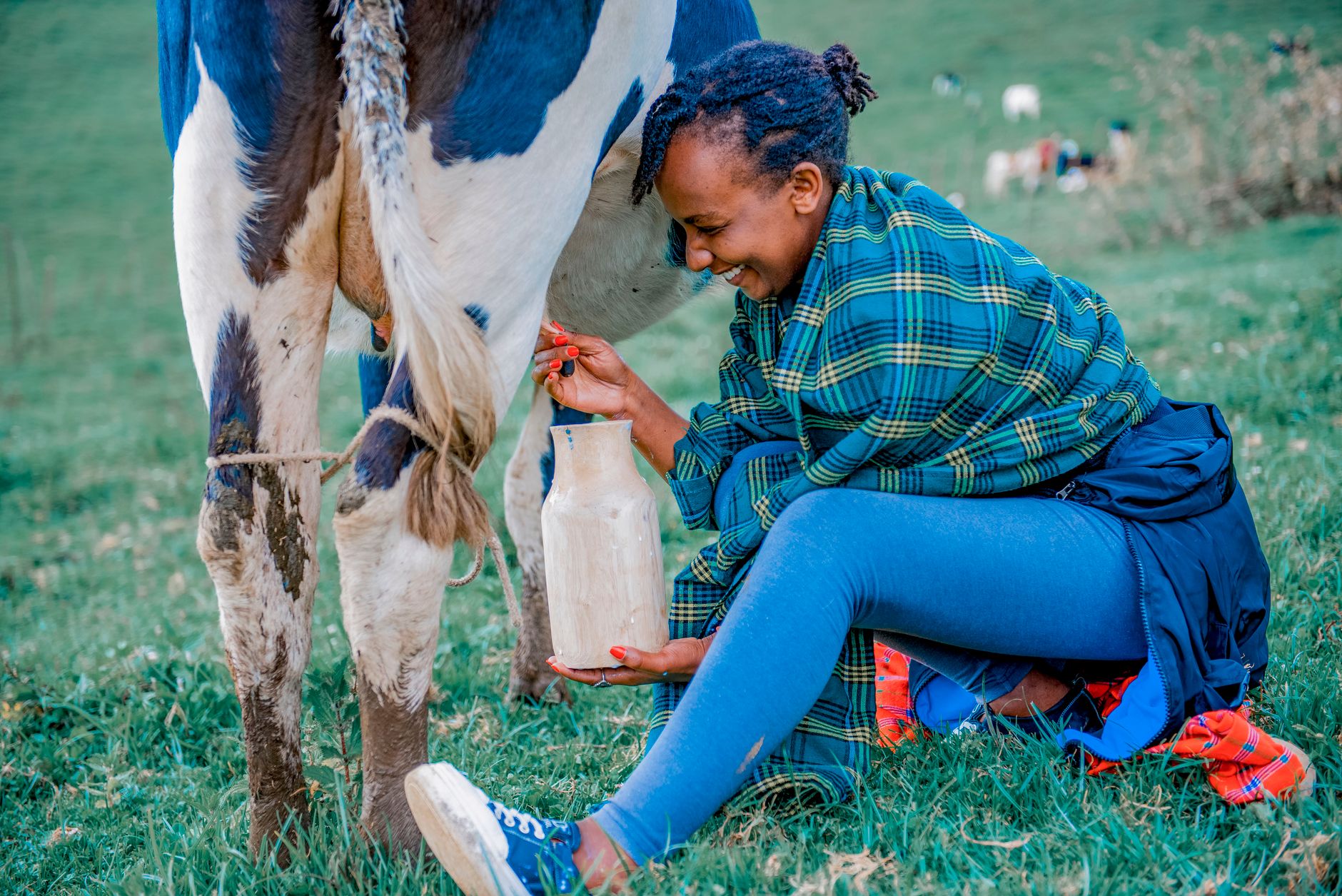
Founder Notes — Lotus Investment Group
Vinamilk Corporate Profile and Strategic Outlook
Vinamilk: hồ sơ doanh nghiệp và triển vọng chiến lược
Vinamilk là thương hiệu sữa hàng đầu Việt Nam và là một trong những doanh nghiệp hàng tiêu dùng thiết yếu lớn của Đông Nam Á. Mô hình tích hợp dọc giữ giá trị suốt chặng từ trang trại tới kệ hàng, nhờ đó có lợi thế quy mô và chất lượng đồng đều. Công ty nắm thị phần áp đảo trong nước và đã vươn ra nước ngoài bằng những khoản đầu tư có chọn lọc. Kết quả là dòng tiền nội địa đều đặn đi cùng một nhóm cơ hội tăng trưởng quốc tế hẹp hơn. Bài này lần lượt mổ xẻ sở hữu và cấu trúc, thị trường công ty bán vào, kết quả gần đây, vận hành, chiến lược, rủi ro, định giá và hướng đi phía trước, đặt các chỉ số tài chính cốt lõi làm trục.
trên 50%
sữa nước và trên 80% sữa đặc — vị thế dẫn đầu tuyệt đối ngành sữa.
40,6%
cải thiện từ 39,8% năm 2023; biên EBITDA giữ trên 23% suốt 5 năm.
trên 50%
tỷ lệ chi trả cổ tức — cổ phiếu thu nhập tin cậy, phép thử là giữ biên khi tăng trưởng chậm.
Tổng quan doanh nghiệp
Cơ cấu sở hữu pha trộn nền tảng vững trong nước với tầm với quốc tế. Tổng công ty Đầu tư và Kinh doanh vốn Nhà nước (SCIC) là cổ đông đơn lẻ lớn nhất, nắm một phần thiểu số đáng kể, neo quản trị bằng giám sát gắn với nhà nước. Trong khối ngoại, Platinum Victory Pte. Ltd. là nhà đầu tư chiến lược then chốt, và các định chế nước ngoài cộng lại chi phối phần lớn cổ phần khối ngoại. Phần còn lại nằm ở định chế trong nước và nhà đầu tư cá nhân. Cấu trúc ấy đỡ cho định hướng dài hạn mà vẫn giữ được kênh tiếp cận vốn toàn cầu và chuẩn quản trị.
Bộ máy vận hành kết hợp công ty con sở hữu toàn phần, liên doanh và công ty liên kết. Trong nước, tài sản cốt lõi gồm Nhà máy Sữa Việt Nam, Nhà máy Sữa bột Việt Nam và các nhà máy đồ uống chuyên biệt. Ở nước ngoài, Angkormilk tại Campuchia nối dài hiện diện ASEAN, Driftwood Dairy tại Mỹ cho tiếp xúc với một thị trường sữa đã trưởng thành, còn pháp nhân châu Âu lo khâu nguồn cung. Liên doanh Del Monte Vinamilk tại Philippines bổ sung năng lực đưa hàng ra thị trường dưới thương hiệu chung, ngay tại một nền kinh tế ASEAN đang tăng nhanh.
Phạm vi địa lý và nền tảng tài sản
Mạng lưới sản xuất trong nước trải khắp TP. Hồ Chí Minh, Biên Hòa, Đà Nẵng, Nghệ An, Cần Thơ, Bình Định và Bắc Ninh. Mạng lưới này rút ngắn quãng đường hậu cần, nâng mức phục vụ ở cả kênh hiện đại lẫn truyền thống, và đỡ được yêu cầu chuỗi lạnh cho sữa chua và sữa tươi.
Trang trại tự sở hữu cùng nhà cung cấp hợp đồng bảo đảm nguồn sữa nguyên liệu. Năm 2024, tổng công suất sữa nguyên liệu vượt 400.000 tấn mỗi năm. Cơ cấu nguồn cung ghép sữa tươi trong nước với sữa bột nhập khẩu, giữ cho các dòng sản phẩm linh hoạt. Đầu tư vào di truyền, cho ăn chính xác và vắt sữa tự động đã nâng năng suất và ổn định chất khô. Năng suất bình quân mỗi con bò tăng từ 7.800 lít năm 2023 lên 8.000 lít năm 2024.
Bối cảnh thị trường và ngành
Thị trường sữa Việt Nam tiếp tục lớn lên khi thu nhập tăng, đô thị nở ra và ý thức dinh dưỡng lan rộng. Mức tiêu thụ bình quân đầu người vẫn thấp hơn vài nước ASEAN, tức dư địa cho sản lượng đi lên. Theo Hiệp hội Sữa Việt Nam, tiêu thụ sữa bình quân đầu người ở Việt Nam khoảng 28 lít mỗi năm, so với hơn 35 lít ở Thái Lan và trên 40 lít ở Malaysia. Khoảng cách đó chính là lý lẽ cho cả mở rộng sản lượng lẫn đa dạng hóa ngành hàng.
Phân khúc cao cấp và chức năng đang nới rộng khi hộ gia đình chuyển lên sản phẩm bổ sung đạm, lợi khuẩn, đường sữa HMO hoặc giảm đường. Nhu cầu mạnh ở sữa tăng cường nhắm vào trẻ em, người trên 60 tuổi và người lớn quan tâm sức khỏe. Tầng lớp trung lưu đông lên cùng các chương trình dinh dưỡng học đường do nhà nước dẫn dắt nuôi xu hướng này, kéo theo tiêu dùng sữa có thương hiệu.
Vinamilk dẫn đầu với thị phần trên 50% ở sữa nước và trên 80% ở sữa đặc, đồng thời giữ vị thế mạnh ở sữa chua và sữa bột. Thị trường xuất khẩu gồm ASEAN, Trung Đông, Bắc Mỹ và một số nước châu Phi chọn lọc. Năm 2024, xuất khẩu tăng nhanh hơn doanh số trong nước, nhờ nhu cầu sữa đặc ở kênh HORECA Trung Đông và các định dạng uống liền tại ASEAN. Độ nhận diện thương hiệu ở Trung Đông được củng cố qua các hội chợ thực phẩm lớn, còn việc bản địa hóa hương vị giúp tăng tốc chấp nhận ở những thị trường như Philippines và Campuchia.
Sân cạnh tranh trải từ các tay chơi nội như TH True Milk, Nutifood, Mộc Châu Milk tới những ông lớn toàn cầu như FrieslandCampina và Nestlé. Lợi thế của Vinamilk nằm ở chuỗi cung ứng tích hợp, kiến trúc giá phủ được cả khách phổ thông lẫn cao cấp, và tốc độ đổi công thức bám theo các xu hướng sức khỏe, khẩu vị mới.
Kết quả tài chính
Năm 2024, Vinamilk đạt 61,8 nghìn tỷ đồng doanh thu thuần, tăng 3,5% so với cùng kỳ. Hoạt động trong nước đóng góp khoảng 51,3 nghìn tỷ đồng, xuất khẩu chiếm 10,5 nghìn tỷ đồng. Xuất khẩu tăng vượt phần nội địa, nhờ giá bán bình quân nhích 8% và sản lượng tăng ở các mặt hàng cao cấp.
Theo ngành hàng, sữa nước mang về khoảng 24,7 nghìn tỷ đồng, sữa chua 12,4 nghìn tỷ đồng, sữa bột 9,3 nghìn tỷ đồng, sữa đặc 6,1 nghìn tỷ đồng, phần còn lại đến từ đồ uống thực vật, kem và sản phẩm khác. Sữa nước giữ biên tốt nhờ lợi thế quy mô và hiệu quả phân phối. Sữa chua tăng nhanh nhất, đón nhu cầu lợi khuẩn và định dạng tiện mang theo.
Lợi nhuận gộp đạt 25,1 nghìn tỷ đồng, biên gộp 40,6%, cao hơn mức 39,8% của năm 2023. Mức cải thiện phản ánh cơ cấu giàu hơn ở sữa cao cấp và sữa chua, cộng với chi phí đầu vào một số mặt hàng nhập khẩu hạ trong nửa cuối năm. Biên sữa bột giữ ổn định bất chấp áp lực giá cạnh tranh, nhờ lòng trung thành thương hiệu ở ngành dinh dưỡng cho trẻ.
EBITDA đạt 15,7 nghìn tỷ đồng, biên 25,4%. Năm năm qua, biên EBITDA luôn trên 23%, cho thấy cấu trúc chi phí bền tới đâu. Lợi nhuận sau thuế tăng 4,2% lên 9,4 nghìn tỷ đồng, biên ròng 15,2%. Xuất khẩu cho biên nhỉnh hơn nội địa nhờ giá cao cấp và cơ cấu thuận lợi, dù chi phí hậu cần vẫn là khoản phải quản.
Bảng cân đối được giữ thận trọng. Hệ số nợ trên vốn chủ dưới 0,2 lần và các tỷ lệ thanh khoản đều mạnh. Dòng tiền hoạt động 12,1 nghìn tỷ đồng năm 2024 thừa sức trang trải 3,8 nghìn tỷ đồng đầu tư cơ bản và 5,2 nghìn tỷ đồng cổ tức, còn dư cho thâu tóm chọn lọc. Tỷ lệ chi trả cổ tức luôn trên 50%, ghi tên Vinamilk vào nhóm cổ phiếu thu nhập đáng tin.
Chỉ số vận hành và hồ sơ công suất
Doanh thu rải đều theo ngành hàng: sữa nước khoảng 40%, sữa chua chừng 20%, sữa bột tầm 15%, sữa đặc gần 10%, phần còn lại từ đồ uống thực vật, kem và sản phẩm khác. Sự rải này giảm lệ thuộc vào một ngành hàng đơn lẻ và làm phẳng lợi nhuận qua chu kỳ.
Các nhà máy chủ lực chạy trên 85% công suất. Dây chuyền UHT mới và lò hơi tiết kiệm năng lượng đã được lắp để hạ chi phí đơn vị và khí thải. Tại trang trại, chuồng kiểm soát khí hậu, giám sát sức khỏe và vắt sữa tự động nâng năng suất và phúc lợi vật nuôi. Năng suất bình quân mỗi con bò chạm 8.000 lít năm 2024, chi phí loại thải và thú y nhích xuống. Tiếp tục đầu tư vào trang trại bò sữa trong nước được kỳ vọng nâng tỷ lệ tự chủ sữa nguyên liệu từ mức 40% hiện nay lên trên 50% vào năm 2028.
Vị thế chiến lược và động lực tăng trưởng
Tích hợp dọc là lợi thế cấu trúc. Tiếp cận trực tiếp nguồn sữa nguyên liệu giảm phơi nhiễm với cú sốc giá hàng hóa và giữ chất lượng đồng đều từ trang trại tới kệ. Nó cũng cho phép đổi công thức nhanh khi quy định hay khẩu vị thay đổi.
Đổi mới tập trung ở chỗ tăng trưởng mạnh. Đường ống sản phẩm gồm sữa không lactose, sản phẩm tăng cường, sữa chua giàu đạm và đồ uống thực vật. Danh mục thực vật vẫn chỉ chiếm phần doanh thu khiêm tốn nhưng đang nở ở mức hai chữ số. Chuyển đổi số chạy tiếp trên cả B2B và B2C, với dự báo dựa trên dữ liệu, tối ưu tuyến giao và hợp tác thương mại điện tử, mài sắc mức phục vụ và vốn lưu động.
Mở rộng quốc tế xoay quanh ASEAN và Trung Đông. Tại ASEAN, liên doanh và đối tác địa phương giúp may đo mặt hàng và cách ra thị trường. Tại Trung Đông, nhu cầu sữa đặc của kênh HORECA đỡ cho biên hấp dẫn. Bắc Mỹ vẫn là ngách nhỏ, nhưng đem về bài học công nghệ và quy trình qua Driftwood.
Rủi ro và biện pháp ứng phó
Giá hàng hóa. Biến động sữa bột nhập khẩu có thể bóp biên. Vinamilk dựa vào hợp đồng cung ứng nhiều năm, mua theo thời điểm và mở rộng nền sữa nguyên liệu trong nước để giảm phơi nhiễm.
Cạnh tranh. Các đối thủ FMCG toàn cầu và thương hiệu nội nhiều vốn cạnh tranh gắt về đổi mới và khuyến mãi. Giá trị thương hiệu, chi phí tích hợp và phân phối rộng giữ thị phần, còn cao cấp hóa làm dịu cuộc đua thuần về giá.
Pháp lý. Thay đổi quy định an toàn thực phẩm, nhãn mác hay công bố sức khỏe có thể buộc đổi công thức. Công ty giữ sẵn công thức song song và đầu tư vào tuân thủ để hạ rủi ro thời gian ra thị trường.
Tỷ giá. Doanh thu xuất khẩu bằng USD và các đồng tiền khu vực có thể làm lợi nhuận dao động. Phòng ngừa chọn lọc qua hợp đồng kỳ hạn, cộng với bù trừ tự nhiên ở đầu vào gắn USD, làm phẳng biến động.
Một phép tính minh họa: giá sữa bột toàn cầu tăng 10%, nếu không phòng ngừa, có thể hạ biên gộp khoảng 80 điểm cơ bản. Nâng nguồn sữa nguyên liệu trong nước thêm 10% có thể bù 50–60% áp lực đó nhờ chi phí đầu vào hữu hiệu thấp hơn và cơ cấu tốt hơn.
Định giá và cân nhắc thương vụ
Tính tới giữa năm 2025, Vinamilk giao dịch ở bội số EV/EBITDA một chữ số cao. Phần phụ trội so với phần lớn đối thủ nội phản ánh biên mạnh hơn, khả năng tạo tiền và quản trị. Bội số vẫn nằm dưới các ông lớn sữa toàn cầu có hồ sơ lợi suất tương đương, tức còn chỗ định giá lại nếu tăng trưởng duy trì và mức trả vốn về cổ đông ổn định.
Phân bổ vốn cân giữa cổ tức và tái đầu tư. Đầu tư cơ bản đổ vào công suất, tự động hóa, hiệu quả năng lượng và bao bì sẵn cho xuất khẩu. Công ty tiếp tục luân chuyển vốn từ tài sản ngoài lõi hoặc sinh lời thấp sang các ngành hàng và địa bàn biên cao hơn.
Hướng nhìn phía trước (2025–2028)
Ưu tiên trong nước. Tiếp tục làm mới thương hiệu, tăng độ phủ ở mặt hàng thiên về sức khỏe, mở rộng tầm với số và đa kênh. Siết thực thi ở kênh hiện đại, đồng thời đỡ năng suất kênh truyền thống bằng công cụ cho lực lượng bán hàng và theo dõi giao hàng.
Công suất và nguồn cung. Đẩy các dự án trang trại bò sữa mới và tăng sữa nguyên liệu thêm khoảng giữa hai chữ số phần trăm để bớt lệ thuộc sữa bột nhập. Nâng cấp nhà máy cho các định dạng giá trị cao hơn như UHT giàu đạm, sữa chua chức năng, và cho nhãn mác, truy xuất đạt chuẩn xuất khẩu.
Xuất khẩu. Đào sâu ASEAN bằng mặt hàng bản địa hóa và đồng thương hiệu ở nơi nó đẩy nhanh dùng thử. Tại Trung Đông, dồn vào HORECA và nhãn riêng bán lẻ với kỷ luật giá và mức phục vụ. Giữ các ngách Bắc Mỹ chọn lọc để học hỏi và cộng thêm biên.
Công nghệ và dữ liệu. Triển khai lập kế hoạch cầu và tồn kho có AI hỗ trợ để giảm hàng phải xóa sổ và nâng mức phục vụ. Đưa vào hệ thống quản lý năng lượng để hạ chi phí đơn vị và đỡ các cam kết ESG.
Đích chiến lược. Lọt nhóm 30 doanh nghiệp sữa lớn nhất thế giới theo doanh thu vào năm 2028, dựa trên cao cấp hóa, M&A chọn lọc và tăng trưởng xuất khẩu.
Kết luận
Vinamilk ghép vị thế dẫn đầu vững chắc trong nước với tham vọng quốc tế đáng tin. Doanh nghiệp tạo biên đều, gánh đòn bẩy thấp và phân bổ vốn có kỷ luật. Chi phí đầu vào, cạnh tranh, pháp lý và tỷ giá đều là rủi ro thật, nhưng tích hợp dọc, sức mạnh thương hiệu và cơ cấu sản phẩm rộng làm cùn từng cái một. Với nhà đầu tư muốn tiếp xúc đà tiêu dùng của Việt Nam mà vẫn có lõi phòng thủ cùng chút quyền chọn ở nước ngoài, Vinamilk là nền tảng bền bỉ, sẵn sàng mở rộng, tựa trên chiều sâu vận hành và dòng tiền mạnh.
Lotus Investment Group tư vấn M&A xuyên biên giới và FDI vào Việt Nam và Đông Nam Á. Nếu quý vị đang thẩm định một vị thế tại Việt Nam, liên hệ với chúng tôi.
Vinamilk is Vietnam’s flagship dairy brand and one of Southeast Asia’s larger consumer-staples names. Its vertically integrated model carries value from farm to shelf, which buys scale efficiency and consistent quality. The company holds a dominant share at home and has pushed abroad through selective investments. The result is steady domestic cash flow paired with a narrower set of overseas growth options. What follows works through ownership and structure, the market it sells into, recent results, operations, strategy, risks, valuation, and where the business is headed, with the core financial metrics kept front and centre.
over 50%
of liquid milk and above 80% of condensed milk — outright dairy leadership.
40.6%
up from 39.8% in 2023; EBITDA margin above 23% for five straight years.
above 50%
dividend payout ratio — a dependable income stock; the test is holding margins as growth slows.
Company Overview
Ownership mixes local stability with international reach. The State Capital Investment Corporation (SCIC) is the largest single shareholder, holding a sizeable minority stake that anchors governance with state-linked oversight. Among foreign holders, Platinum Victory Pte. Ltd. is the key strategic investor, and foreign institutions together control most of the foreign-owned shares. The rest sits with domestic institutions and retail investors. That mix supports long-term alignment while keeping access to global capital and governance standards.
The operating structure blends wholly owned subsidiaries, joint ventures and affiliates. In Vietnam, the core assets are the Vietnam Dairy Factory, the Vietnam Powdered Milk Factory and specialised beverage plants. Overseas, Angkormilk in Cambodia extends the ASEAN presence, Driftwood Dairy in the United States gives exposure to a mature dairy market, and the European entity supports sourcing. The Del Monte Vinamilk joint venture in the Philippines adds co-branded route-to-market in a fast-growing ASEAN economy.
Geographic Footprint and Asset Base
The domestic production network spans Ho Chi Minh City, Bien Hoa, Da Nang, Nghe An, Can Tho, Binh Dinh and Bac Ninh. That spread shortens logistics distances, lifts service levels across modern and traditional trade, and supports cold-chain handling for yogurt and fresh milk.
Owned farms and contracted suppliers secure the raw milk. In 2024, total raw milk capacity ran past 400,000 tons a year. The supply mix pairs domestic fresh milk with imported milk powder, which keeps product lines flexible. Investment in genetics, precision feeding and automated milking has lifted yields and steadied milk solids. Average yield per cow rose from 7,800 liters in 2023 to 8,000 liters in 2024.
Market and Sector Context
Vietnam’s dairy market keeps growing as incomes rise, cities fill out, and nutrition awareness spreads. Per capita consumption still trails several ASEAN peers, which leaves room for volume to climb. The Vietnam Dairy Association puts per capita milk consumption at roughly 28 liters a year, against more than 35 liters in Thailand and over 40 liters in Malaysia. That gap is the case for both volume expansion and category diversification.
Premium and functional segments are widening as households trade up to added protein, probiotics, human milk oligosaccharides (HMOs) or reduced sugar. Demand has been strong for fortified milk aimed at children, people over 60, and health-conscious adults. A rising middle class and government nutrition programmes in schools feed the shift, nudging branded dairy consumption along the way.
Vinamilk leads with over 50% share in liquid milk and above 80% in condensed milk, and holds strong positions in yogurt and powdered milk. Export markets cover ASEAN, the Middle East, North America and selected African countries. In 2024 exports grew faster than domestic sales, helped by condensed milk demand in Middle East HORECA channels and ready-to-drink formats in ASEAN. Brand recognition in the Middle East has built through major food exhibitions, while flavour localisation has sped acceptance in markets like the Philippines and Cambodia.
The competitive field runs from local players like TH True Milk, Nutifood and Moc Chau Milk to global giants such as FrieslandCampina and Nestlé. Vinamilk’s edge is its integrated supply chain, a price architecture that reaches mass and premium buyers, and the speed to reformulate around new health and taste trends.
Financial Performance
In 2024, Vinamilk posted VND 61.8 trillion in net revenue, up 3.5% year on year. Domestic operations brought in roughly VND 51.3 trillion, with exports at VND 10.5 trillion. Export growth outran domestic performance, driven by an 8% rise in average selling prices and volume gains in premium SKUs.
By segment, liquid milk generated about VND 24.7 trillion, yogurt VND 12.4 trillion, powdered milk VND 9.3 trillion, condensed milk VND 6.1 trillion, with plant-based beverages, ice cream and other lines making up the balance. Liquid milk held strong margins on scale and distribution efficiency. Yogurt grew fastest, riding demand for probiotics and on-the-go formats.
Gross profit reached VND 25.1 trillion, a 40.6% gross margin, up from 39.8% in 2023. The lift came from a richer mix in premium milk and yogurt, alongside lower input costs for some imported commodities in the second half. Powdered milk margins held steady despite competitive pricing, thanks to brand loyalty in infant nutrition.
EBITDA was VND 15.7 trillion, a 25.4% margin. Over five years the EBITDA margin has stayed above 23%, which shows how durable the cost structure is. Net profit after tax rose 4.2% to VND 9.4 trillion, a 15.2% net margin. Exports earned slightly higher margins than domestic on premium pricing and favourable mix, though logistics costs still need managing.
The balance sheet is run conservatively. Debt-to-equity stays below 0.2x and liquidity ratios are strong. Operating cash flow of VND 12.1 trillion in 2024 comfortably covered VND 3.8 trillion of capex and VND 5.2 trillion of dividends, and left room for selective acquisitions. The payout ratio has stayed above 50%, which marks Vinamilk as a dependable income stock.
Operational Metrics and Capacity Profile
Revenue is spread across categories: liquid milk around 40%, yogurt about 20%, powdered milk roughly 15%, condensed milk near 10%, with plant-based beverages, ice cream and other lines filling the rest. That spread cuts reliance on any single category and smooths earnings through the cycle.
Flagship plants run above 85% utilisation. New UHT lines and energy-efficient boilers have gone in to lower unit costs and emissions. On farms, climate-controlled barns, health monitoring and automated milking improve productivity and animal welfare. Average yield per cow reached 8,000 liters in 2024, and culling and veterinary costs trended lower. Continued investment in domestic dairy farms should raise raw milk self-sufficiency from today’s 40% to over 50% by 2028.
Strategic Position and Growth Drivers
Vertical integration is a structural advantage. Direct access to raw milk cuts exposure to commodity price spikes and keeps quality consistent from farm to shelf. It also lets the company reformulate fast when rules or tastes change.
Innovation is concentrated where growth is. The pipeline runs to lactose-free milk, fortified products, high-protein yogurt and plant-based beverages. The plant-based portfolio is still a modest slice of revenue but is expanding at double-digit rates. Digital work continues across B2B and B2C, with data-driven forecasting, route optimisation and e-commerce partnerships sharpening service levels and working capital.
International expansion centres on ASEAN and the Middle East. In ASEAN, joint ventures and local partnerships tailor SKUs and go-to-market. In the Middle East, HORECA demand for condensed milk supports attractive margins. North America stays a niche, but it feeds back technology and process learning through Driftwood.
Risks and Mitigation
Commodity prices. Swings in imported milk powder can compress margins. Vinamilk leans on multi-year supply agreements, timed procurement and a growing domestic raw milk base to cut the exposure.
Competition. Global FMCG peers and well-funded local brands compete hard on innovation and promotion. Brand equity, integrated costs and wide distribution defend share, while premiumisation softens pure price competition.
Regulation. Changes to food safety rules, labeling or health claims may force reformulation. The company keeps parallel formulations and invests in compliance to hold down time-to-market risk.
FX exposure. Export revenue in USD and regional currencies can swing earnings. Selective hedging through forwards, plus natural offsets in USD-linked inputs, smooths the volatility.
An illustrative read: a 10% rise in global milk powder prices, with no hedging, could cut gross margin by roughly 80 bps. Lifting domestic raw milk supply by 10% could offset 50–60% of that through lower effective input cost and better mix.
Valuation and Deal Considerations
As of mid-2025, Vinamilk trades on a high single-digit EV/EBITDA multiple. The premium to most local peers reflects stronger margins, cash generation and governance. The multiple still sits below global dairy majors with comparable return profiles, which leaves room for a re-rating if growth holds and capital returns stay consistent.
Capital allocation balances dividends against reinvestment. Capex goes to capacity, automation, energy efficiency and export-ready packaging. The company keeps recycling capital out of non-core or low-return assets into higher-margin categories and geographies.
Forward View (2025–2028)
Domestic priorities. Keep modernising the brand, push penetration in health-oriented SKUs, and widen digital and omnichannel reach. Sharpen execution in modern trade while supporting traditional trade productivity through salesforce tools and delivery tracking.
Capacity and supply. Advance new dairy farm projects and scale raw milk by a mid-teens percentage to lean less on imported powder. Upgrade factories for higher-value formats like high-protein UHT and functional yogurts, and for export-compliant labeling and traceability.
Exports. Deepen ASEAN with localised SKUs and co-branding where it speeds trial. In the Middle East, lean into HORECA and retail private-label with disciplined pricing and service levels. Keep selective North American niches for learning and margin accretion.
Technology and data. Roll out AI-assisted demand and inventory planning to cut write-offs and lift service levels. Deploy energy management systems to lower unit costs and support ESG commitments.
Strategic aim. Rank among the world’s top 30 dairy companies by revenue by 2028, on the back of premiumisation, selective M&A and export growth.
Conclusion
Vinamilk pairs entrenched domestic leadership with credible international ambitions. The business turns out steady margins, carries low leverage, and allocates capital with discipline. Input costs, competition, regulation and FX are real risks, but vertical integration, brand strength and a broad product mix blunt each one. For an investor who wants exposure to Vietnam’s consumer growth with a defensive core and some optionality abroad, Vinamilk is a resilient, expansion-ready platform backed by operational depth and strong cash generation.
Lotus Investment Group advises on cross-border M&A and FDI into Vietnam and Southeast Asia. If you are underwriting Vietnam exposure, get in touch.
Nguồn / Sources
[1]
Vinamilk — Báo cáo thường niên 2024.
[2]
Hiệp hội Sữa Việt Nam — số liệu tiêu thụ sữa bình quân đầu người.