

Mondelez Kinh Do Vietnam: Corporate Profile
August 15, 2025
FPT Long Chau Pharmacy: Corporate Profile & Outlook
August 19, 2025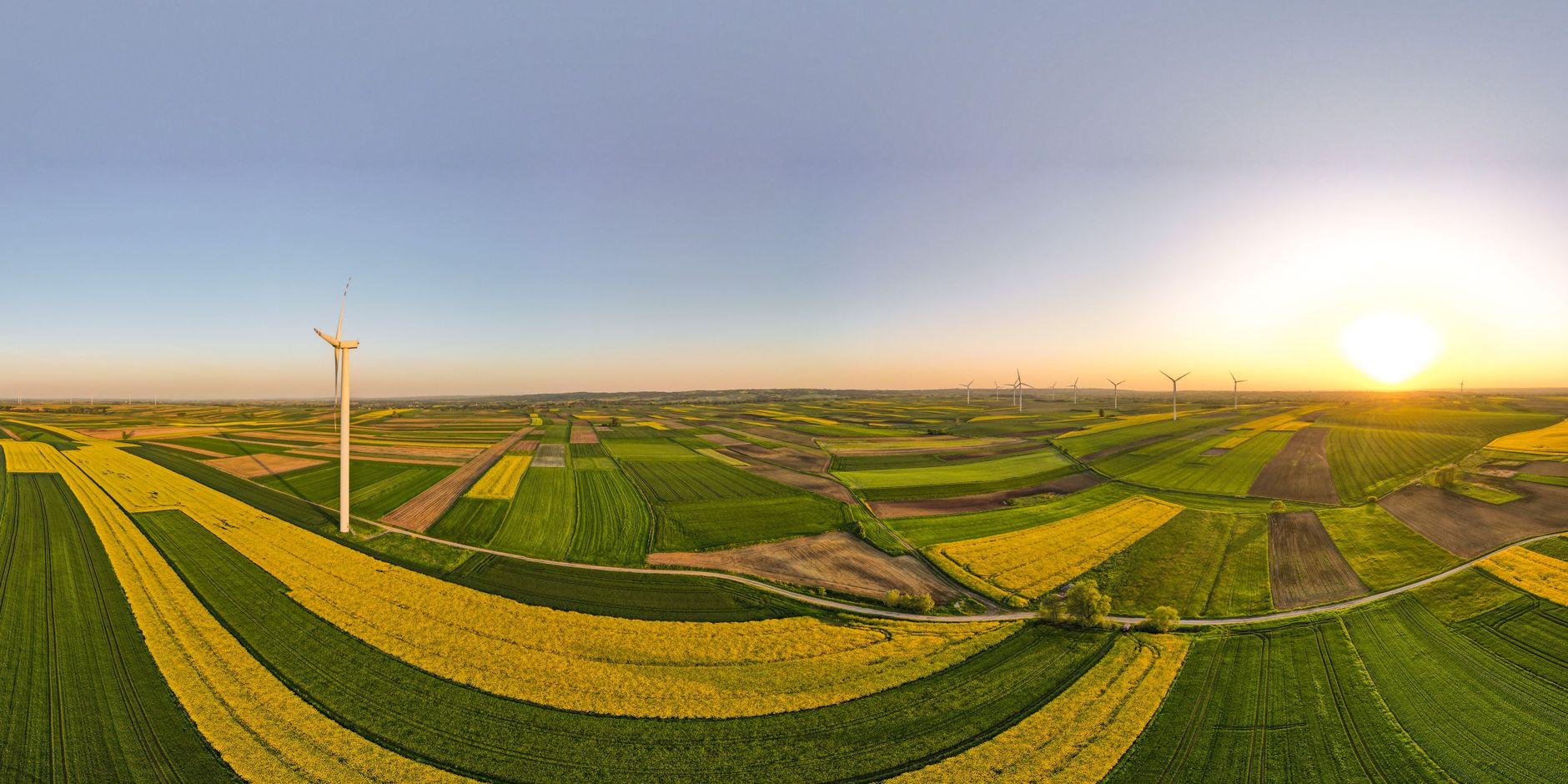
Founder Notes — Lotus Investment Group
TTC Energy: Vietnam Renewable Energy Platform Profile
TTC Energy: hồ sơ doanh nghiệp và triển vọng chiến lược của nền tảng năng lượng tái tạo Việt Nam
TTC Energy là nền tảng năng lượng tái tạo bên trong TTC Group, vận hành qua công ty liên kết niêm yết GEC, neo một danh mục điện mặt trời, điện gió và thủy điện trải khắp Việt Nam. Công ty đang nắm gần 800 MW công suất vận hành tại 23 dự án, và đặt mục tiêu rõ ràng vượt 1,7 GW vào năm 2030. Cấu trúc của nó ghép sở hữu tư nhân với quy mô hạ tầng công cộng, quản trị theo chuẩn định chế và vốn xanh hậu thuẫn. Hồ sơ này đi qua sở hữu, danh mục tài sản, bối cảnh thị trường, sức khỏe tài chính, vận hành, đối tác, triển vọng tăng trưởng và những điểm cân nhắc đầu tư của công ty.
Cấu trúc doanh nghiệp và sự gắn kết chiến lược
TTC Energy vận hành qua Công ty Cổ phần Điện Gia Lai (HOSE: GEG), chính là cánh tay niêm yết cho tham vọng năng lượng tái tạo của TTC Group. GEG niêm yết độc lập, nhưng quyền sở hữu và giám sát vẫn cắm rễ trong ban lãnh đạo TTC Group. Thế cân bằng đó cho phép công ty giữ minh bạch của thị trường niêm yết mà không đánh mất quyền điều hành kiểu doanh chủ. GEG vào rổ VN100 năm 2020, nâng độ nhận diện trong mắt nhà đầu tư đại chúng.
Dưới lớp vốn niêm yết, GEG bơm vốn qua các SPV xếp tầng. Những công ty mục đích đặc biệt này cho phép phát triển dự án theo cấu trúc, vay nợ riêng từng dự án, và rộng đường bắt tay với nguồn vốn ngoại. Mô hình SPV còn đỡ cho khâu cấp phép cấp tỉnh và chiến lược đấu nối lưới — đúng những phần một dự án năng lượng tái tạo sống hay chết ở cấp địa phương.
TTC Energy nằm trong hệ sinh thái quỹ đất, cấp phép và phân phối điện rộng hơn của TTC Group, lại phối hợp với các đơn vị thành viên ở xây dựng, truyền tải và hậu cần. Những liên kết nội bộ ấy nuôi các điểm cộng hưởng cấp dự án mà một nhà phát triển đứng riêng phải bỏ tiền mua ngoài.
Tổng quan danh mục và phân bố địa lý
Tính đến 2024, TTC Energy (qua GEC) sở hữu và vận hành 23 nhà máy năng lượng tái tạo — gồm thủy điện, điện mặt trời và điện gió, tổng cộng gần 800 MW công suất lắp đặt. Danh mục trải qua nhiều tỉnh, trong đó có Gia Lai, Ninh Thuận, Bình Thuận và Tiền Giang. Thủy điện và điện mặt trời là nền móng; các khoản đầu tư điện gió và ngoài khơi mới đặt nền cho giai đoạn tăng trưởng kế tiếp.
Danh mục vận hành tạo ra khoảng 8 tỷ kWh mỗi năm, đủ cấp điện cho ước chừng 4,4 triệu hộ gia đình và giảm gần 5,6 triệu tấn CO2 hằng năm. Điện mặt trời góp phần sản lượng lớn nhất, còn thủy điện gánh phụ tải nền. Công suất điện gió, hiện quanh mức 230 MW, đang mở rộng qua các dự án như Tân Phú Đông ngoài khơi.
Công ty dựa vào mô hình lai ghép, kết hợp điện gió với điện mặt trời để cải thiện điều độ lưới. Các dự án này ngày càng nằm ở những tỉnh phía Nam và ven biển, nơi cường độ bức xạ và mật độ gió cao đủ để biện minh cho cách phối hợp ấy.
Chính sách Việt Nam thổi xuôi chiều cho năng lượng tái tạo
Nhu cầu năng lượng của Việt Nam vẫn tăng 8–10% mỗi năm, và đất nước muốn năng lượng tái tạo cấp một phần ba công suất lắp đặt vào năm 2030. Lộ trình pháp lý đi qua giá điện cố định cho điện mặt trời (FiT), Quy hoạch điện VIII (PDP8) đã sửa đổi, và bước chuyển dần sang hợp đồng mua bán điện trực tiếp (DPPA). GEC hưởng lợi nhờ tham gia FiT sớm và đã đấu nối lưới sẵn.
Cạnh tranh đã gắt hơn, song TTC Energy vẫn giữ lợi thế cấu trúc: đội thi công dày dạn, năng lực cấp phép địa phương tích hợp, và quan hệ lâu năm với đơn vị vận hành lưới cùng chính quyền sở tại. Khi Việt Nam chuyển sang đấu thầu và cơ chế DPPA, hiểu biết địa phương ấy càng quan trọng chứ không kém đi — ai gỡ được bộ máy hành chính cấp tỉnh thì giành được dự án.
Quá tải lưới, rủi ro cắt giảm phát và chậm cấp phép vẫn là những ràng buộc chung của ngành. Pipeline rải giai đoạn và phân bố địa lý của GEC làm nhẹ rủi ro tập trung, nhưng không xóa được nó.
Kết quả tài chính và khả năng tiếp cận vốn
Cho năm 2024, GEC đặt mục tiêu doanh thu và lợi nhuận trước thuế lần lượt 3.120 tỷ đồng và 335 tỷ đồng. Công ty cũng duyệt chia cổ tức bằng cổ phiếu 5%, giữ mức trả cho cổ đông ngay cả khi chi tiêu vốn vẫn nặng. Những mục tiêu này khớp với một chiến lược dựa vào tăng trưởng sản lượng và đa dạng hóa dự án, chứ không phải vắt biên lợi nhuận ngắn hạn.
Vốn xanh mới là chỗ GEC có sức triển khai thật. Năm 2023, hãng điện lực Nhật JERA rót 112 triệu USD vốn cổ phần lấy cổ phần thiểu số — vừa thêm tiền, vừa thêm chuyên môn vận hành và kỹ thuật trong một nước đi. Cũng trong 2023, GEC phát hành trái phiếu xanh 9 triệu USD do Symbiotics cấu trúc, nới rộng nguồn vốn.
Năm 2024, GEC thành công ty Việt Nam đầu tiên có khung tài chính xanh đạt chứng nhận Climate Bonds. Chứng nhận đó là cánh cửa vào nguồn vốn cho điện gió ngoài khơi và lưu trữ pin, đồng thời xếp GEC vào hàng tiếp nhận vốn đa phương về sau.
Năng lực vận hành và tích hợp công nghệ
Vận hành của TTC Energy dựa trên một đội nhà máy đã chạy ổn định nhiều năm. Những nhà máy điện mặt trời đời đầu phát điện từ 2018, trong đó có Phong Điền (35 MW) và Krông Pa (49 MW), vẫn giữ sản lượng và độ sẵn sàng lưới ổn định. GEC đã triển khai robot vệ sinh tấm pin, bảo trì dự đoán và hệ điều khiển số.
Những hệ này nâng thời gian chạy máy và cắt chi phí vận hành trên các điểm phân tán — đúng chỗ biên lợi nhuận của điện mặt trời được hay mất. Kỷ luật ấy lộ ra ở việc các nhà máy cũ vẫn chạy tốt thay vì xuống cấp.
GEC còn có dịch vụ nội bộ — kiểm định điện, tối ưu inverter và hỗ trợ EPC. Nhờ đó công ty vừa tích hợp dọc cho các dự án của mình, vừa có năng lực vận hành và bảo trì (O&M) đem bán ra ngoài.
Đối tác và chiến lược định chế
Hợp tác với JERA năm 2023 vừa là vốn vừa là sự gắn kết chiến lược. Là một IPP toàn cầu, JERA mang theo bí quyết cấu trúc dự án và kinh nghiệm tài sản lai, nuôi tham vọng tiến vào điện gió ngoài khơi và lưu trữ quy mô lưới của GEC.
GEC duy trì quan hệ ngân hàng với Vietcombank, BIDV cùng các định chế cho vay đa phương như ADB và Proparco. Những quan hệ này giúp tái cấp vốn cho tài sản đã chín, giải phóng vốn cho dự án mới. Trái phiếu xanh qua Symbiotics báo hiệu đường vào các nguồn vốn hướng tác động xã hội.
Qua chứng nhận của Sáng kiến Trái phiếu Khí hậu (CBI), GEC nay phát tín hiệu tuân thủ ESG cho cả nhà đầu tư, cơ quan quản lý hạ tầng lẫn đối tác đồng phát triển nước ngoài. Đây là một trong số ít nền tảng Việt Nam bắc được cầu giữa thi công nội địa và thị trường vốn toàn cầu.
Chân trời tăng trưởng: lộ trình 2025–2030
GEC nhắm 1.700 MW công suất vào năm 2030 — hơn gấp đôi sản lượng hiện nay. Đà tăng đó dựa vào điện gió và điện gió ngoài khơi mới, điện mặt trời mở rộng, cùng bước tiến vào lưu trữ, khai thác pipeline đang phát triển.
Tích hợp pin nhiều khả năng khả thi thương mại quanh 2026–2027, nhất là khi cắt giảm phát nặng thêm và chênh lệch giá theo giờ trở thành chỗ kiếm lời. Trái phiếu xanh, khoản vay gắn mục tiêu bền vững và vốn pha trộn vẫn là công cụ cốt lõi. Đối tác chiến lược có thể mở rộng sang mô hình đồng phát triển với các tập đoàn Nhật, Hàn và châu Âu.
Mở rộng địa lý sẽ nghiêng về vùng ven biển và phía Bắc, mở đường cân bằng lưới và tiếp cận rộng hơn tới khách mua điện qua DPPA. Khả năng mở rộng quy mô và vận hành nhiều loại tài sản trong khi bám sát PDP8 chính là lợi thế cốt lõi của GEC trước các đối thủ chỉ làm một công nghệ.
Điểm cân nhắc đầu tư và hồ sơ rủi ro
Những thế mạnh chiến lược rất cụ thể: danh mục tài sản đa công nghệ, đường vào tài chính xanh đã được chứng nhận, năng lực thi công nội địa sâu, và hậu thuẫn định chế từ TTC Group. Ít đối thủ gom đủ cả bốn cùng lúc.
Rủi ro cũng cụ thể không kém. Nghẽn lưới, đặc biệt ở các tỉnh phía Nam, có thể làm chậm tốc độ tăng quy mô. Bước chuyển pháp lý từ FiT sang đấu thầu có thể thách thức các giả định về IRR. Nợ tính bằng đô-la kéo theo rủi ro tỷ giá, cần phòng vệ FX. Phát triển ngoài khơi mang theo độ phức tạp cấp phép, còn DPPA vẫn được áp dụng chậm.
Dẫu vậy, vị thế nền tảng quy mô định chế gắn với mục tiêu khí hậu của GEC vẫn đứng vững. Khi Việt Nam dịch từ năng lượng tái tạo dựa trợ giá sang mua bán điện theo thị trường, những nền tảng có tài sản đa dạng, đường vào vốn xanh và năng lực thi công thật sẽ dẫn dắt. TTC Energy vốn đã được dựng sẵn cho bước chuyển đó.
Kết luận
TTC Energy, qua GEC, là nhà sản xuất điện độc lập từ năng lượng tái tạo đáng tin nhất của Việt Nam với một nền tảng đa công nghệ thực thụ. Rủi ro vẫn còn đó, nhưng khả năng cân bằng giữa vốn xanh, thi công nội địa và đối tác quốc tế của công ty là thứ không đối thủ cùng nhóm nào sánh được. Khi đất nước đón nhận phát điện lai, lưu trữ và mua bán điện tư nhân, TTC Energy đứng ở hàng đầu của bước dịch chuyển cấu trúc ấy. Với nhà đầu tư tìm chỗ rót vốn có thể mở rộng vào câu chuyện hạ tầng phát thải thấp của Việt Nam, GEC nằm trong số ít nền tảng thật sự đủ chuẩn cấp vốn ngân hàng hiện nay.
Lotus Investment Group tư vấn M&A xuyên biên giới và FDI vào Việt Nam và Đông Nam Á. Nếu quý vị đang thẩm định một vị thế tại Việt Nam, liên hệ với chúng tôi.
TTC Energy is the renewable platform inside TTC Group, run through its listed affiliate GEC, and it anchors a solar-wind-hydro mix spread across Vietnam. It holds nearly 800 MW of operating capacity across 23 projects, and it has set a clear goal of passing 1.7 GW by 2030. The structure pairs private ownership with public-infrastructure scale, governed under institutional rules and funded with green capital. This profile walks through the company’s ownership, asset base, market context, financial standing, operations, partnerships, growth outlook and the investment case.
Corporate structure and strategic alignment
TTC Energy operates through Gia Lai Electricity Joint Stock Company (HOSE: GEG), the public-market vehicle for TTC Group’s renewable ambitions. GEG is independently listed, yet ownership and oversight stay rooted in TTC Group’s leadership. That balance lets the company keep listed-market transparency without losing entrepreneurial control. GEG joined Vietnam’s VN100 index in 2020, lifting its profile among public investors.
Below the listed equity, GEG deploys capital through layered SPVs. These special-purpose vehicles allow structured development, project-specific debt and room to partner with foreign capital providers. The SPV model also supports provincial licensing and grid-access strategies — the parts of a renewable build that live or die at the local level.
TTC Energy sits inside TTC Group’s wider land bank, permitting and power-distribution ecosystem, and works alongside group subsidiaries in construction, transmission and logistics. Those internal links feed project-level synergies a standalone developer would have to buy in.
Portfolio overview and geographic spread
As of 2024, TTC Energy (via GEC) owns and operates 23 renewable power plants — hydro, solar and wind assets totalling nearly 800 MW of installed capacity. The base spans several provinces, including Gia Lai, Ninh Thuận, Bình Thuận and Tiền Giang. Hydro and solar plants form the foundation; new wind and offshore investments set up the next phase of growth.
The operating portfolio generates roughly 8 billion kWh a year, enough to power an estimated 4.4 million households and to offset nearly 5.6 million tonnes of carbon dioxide annually. Solar farms supply the largest share of output, while hydro carries base-load stability. Wind capacity, now around 230 MW, is expanding through projects such as Tân Phú Đông offshore.
The company leans on hybridisation, pairing wind and solar to improve grid dispatch. These projects increasingly land in southern and coastal provinces, where high irradiance and wind density justify the mix.
Vietnam’s policy tailwinds for renewables
Vietnam’s energy demand keeps growing at 8–10% a year, and the country wants renewables to supply one-third of installed capacity by 2030. The regulatory path runs through solar feed-in tariffs (FiT), the revised power development plan (PDP8) and a gradual shift toward direct power purchase agreements (DPPAs). GEC benefits from early FiT participation and existing grid integration.
Competition has sharpened, but TTC Energy keeps structural advantages: seasoned execution teams, integrated local permitting and long-standing ties with grid operators and local governments. As Vietnam moves to auctions and DPPA mechanisms, that localised know-how matters more, not less — the firms that can navigate provincial bureaucracy win the sites.
Grid congestion, curtailment risk and licensing delays remain sector-wide constraints. GEC’s staggered pipeline and geographic spread blunt the concentration risk, but they don’t erase it.
Financial performance and capital access
For 2024, GEC set revenue and pre-tax profit targets of VND 3,120 billion and VND 335 billion. It also approved a 5% stock dividend, holding shareholder returns even through heavy capital expenditure. The targets fit a strategy built on volume growth and project diversification rather than short-term margin maximisation.
Green capital is where GEC gains real execution power. In 2023, Japanese utility JERA invested USD 112 million in equity for a minority stake — funding plus operational and technical expertise in one move. Also in 2023, GEC issued a USD 9 million green bond structured by Symbiotics, widening its capital sources.
In 2024, GEC became the first Vietnamese company to secure a Climate Bonds-certified green finance framework. That certification is the gateway to offshore wind and battery-storage funding, and it lines GEC up for future multilateral investment.
Operational capabilities and technology integration
TTC Energy’s operations rest on a fleet that has run steadily for years. Early solar plants energised in 2018, including Phong Điền (35 MW) and Krông Pa (49 MW), hold stable generation and grid availability. GEC has rolled out robotic solar-panel cleaning, predictive maintenance and digital control systems.
Those systems lift uptime and cut operating costs across scattered sites, which is where margin in solar is actually won or lost. The discipline shows in how the older plants keep performing rather than degrading.
GEC also runs internal services — electrical testing, inverter optimisation and EPC support. That gives it vertical integration on its own builds and an O&M capability it can export to others.
Partnerships and institutional strategy
The 2023 JERA partnership was capital and strategic alignment at once. As a global IPP, JERA brings project-structuring know-how and hybrid-asset experience, which feeds GEC’s push toward offshore wind and grid-scale storage.
GEC keeps banking relationships with Vietcombank, BIDV and multilateral lenders such as ADB and Proparco. Those allow it to refinance mature assets and free up capital for new builds. The Symbiotics green bond signals early access to impact-focused capital pools.
Through Climate Bonds Initiative (CBI) certification, GEC now signals ESG compliance to investors, infrastructure regulators and foreign co-developers alike. It is one of the few Vietnamese platforms bridging local execution and global capital markets.
Growth horizon: the 2025–2030 roadmap
GEC targets 1,700 MW of capacity by 2030 — more than double current output. The growth rests on new wind and offshore wind, expanded solar, and the move into storage, drawing on the pipeline already in development.
Battery integration should turn commercially viable around 2026–2027, especially as curtailment worsens and time-of-day arbitrage opens up. Green bonds, sustainability-linked loans and blended finance stay the core instruments. Strategic partnerships may extend to co-development with Japanese, Korean and European groups.
Geographic expansion will tilt toward coastal and northern regions, opening up grid balancing and broader access to power customers through DPPAs. GEC’s edge over single-technology competitors comes down to one thing: it can scale and operate diverse asset types while staying aligned with PDP8.
Investment considerations and risk profile
The strategic strengths are concrete: a multi-technology asset base, certified green-finance access, deep local execution and the institutional backing of TTC Group. Few peers can claim all four at once.
The risks are just as concrete. Grid bottlenecks, especially in southern provinces, could slow the ramp-up. A regulatory shift from FiT to auction may challenge IRR assumptions. Dollar-denominated debt carries currency exposure that needs FX hedging. Offshore development brings permitting complexity, and DPPA adoption is still gradual.
Even so, GEC’s positioning as a climate-aligned, institution-scale platform holds up. As Vietnam moves from subsidy-based renewables to market-based power procurement, platforms with diversified assets, green-financing access and real execution capacity will lead. TTC Energy is already built for that transition.
Conclusion
TTC Energy, through GEC, is Vietnam’s most credible renewable independent power producer with a genuine multi-technology base. Risks exist, but its ability to balance green funding, local execution and international partnerships is unmatched in its peer group. As the country embraces hybrid generation, storage and private power contracting, TTC Energy sits at the front of that structural shift. For investors after scalable exposure to Vietnam’s low-carbon infrastructure story, GEC is among the few genuinely bankable platforms today.
Lotus Investment Group advises on cross-border M&A and FDI into Vietnam and Southeast Asia. If you are underwriting Vietnam exposure, get in touch.