

Petrovietnam Corporate Profile and Strategic Outlook
August 27, 2025
Hoa Phat Group Profile: Vietnam’s Steel Leader to 2030
August 29, 2025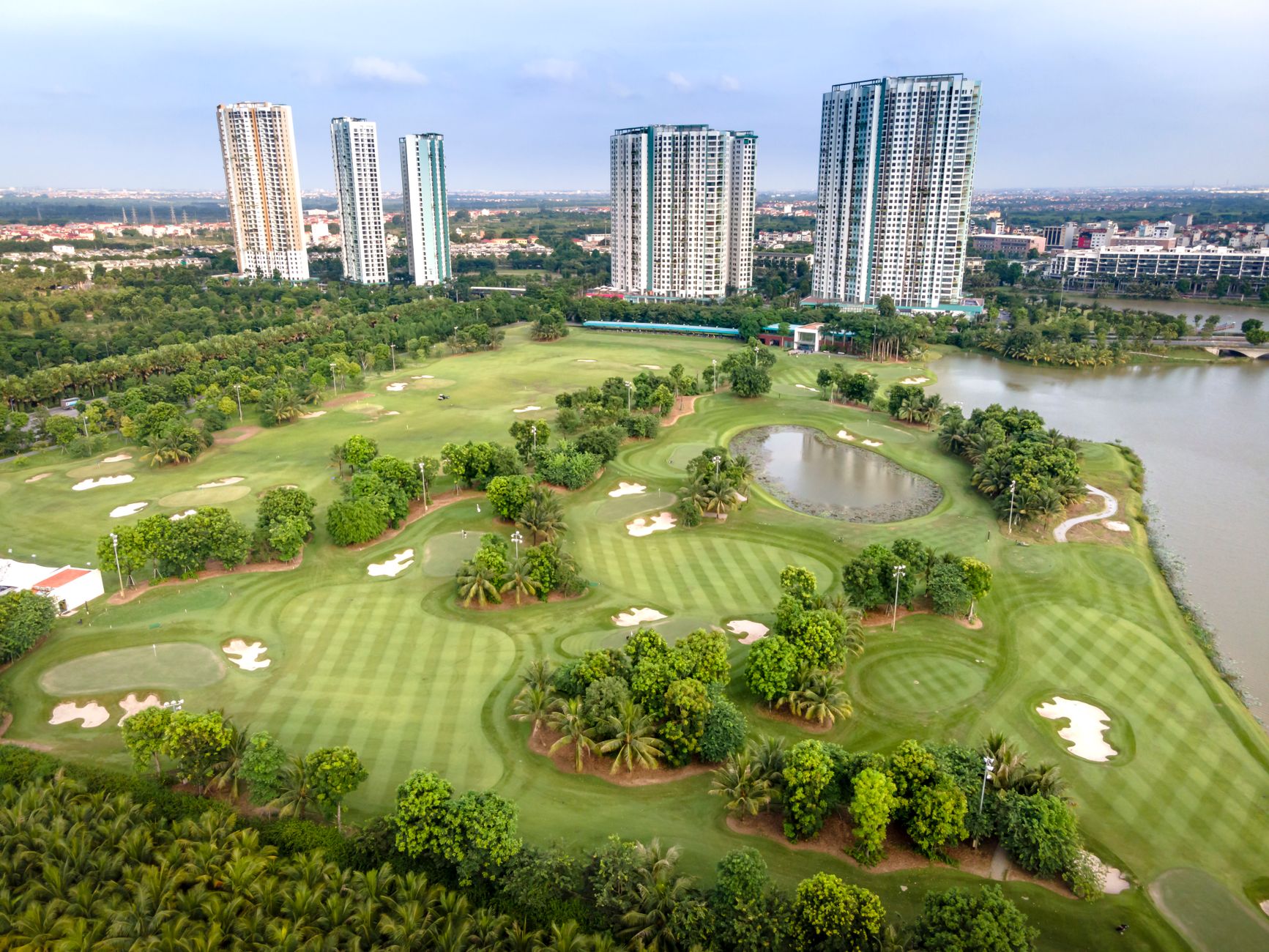
Founder Notes — Lotus Investment Group
Long Thanh Golf Development: Profile and Outlook
Long Thanh Golf Investment Group: hồ sơ doanh nghiệp và triển vọng chiến lược
Long Thanh Golf Investment Group là một trong những nhà phát triển sân golf và bất động sản tư nhân quy mô lớn ra đời sớm nhất ở Việt Nam. Tên tuổi gắn liền với Long Thanh Golf Club tại Đồng Nai, tập đoàn hoạt động ngay giao điểm của du lịch, phát triển nhà ở và chiến lược tích lũy quỹ đất. Quy mô tài sản, cách triển khai dự án và vị thế pháp lý của tập đoàn hé lộ nhiều điều về thị trường hạ tầng nghỉ dưỡng đang chuyển mình của Việt Nam và về khung quản lý đất đai cấp tỉnh.
Đọc kỹ hồ sơ này không chỉ là đọc một doanh nghiệp. Nó cho thấy lớp nhà phát triển đời đầu đã giữ lợi thế ra sao khi đất nước siết dần kỷ luật sử dụng đất, và vì sao một tập đoàn tư nhân kín tiếng vẫn có thể ngồi trên khối quỹ đất đáng giá hàng nghìn héc-ta ở vùng kinh tế trọng điểm phía Nam.
Tổng quan doanh nghiệp
Thành lập đầu những năm 2000, Long Thanh Golf Investment Group là doanh nghiệp Việt Nam tư nhân do doanh nhân Lê Văn Kiểm dẫn dắt. Buổi đầu công ty tập trung phát triển Long Thanh Golf Club (sân 18 lỗ đạt chuẩn giải đấu tại Đồng Nai), rồi mới mở rộng sang bất động sản và hạ tầng du lịch lân cận. Theo thời gian, tập đoàn tích lũy quỹ đất lớn, thường bám sát quy hoạch phát triển cấp tỉnh và các khu đất sạch chưa khai thác.
Tuy là tư nhân, tập đoàn vẫn triển khai dự án trong sự phối hợp với chính quyền tỉnh và đặt dấu chân khớp với các hành lang tăng trưởng vùng. Vào sớm, thuê đất dài hạn, lại huy động được vốn trong nước, công ty trở thành người tiên phong ở phân khúc golf cao cấp của Việt Nam. Sau đó họ đa dạng hóa sang nhà ở, tổ hợp du lịch và các dự án gắn với giáo dục, đặc biệt tại vùng kinh tế trọng điểm phía Nam.
Nền tài sản và dấu chân dự án
Sân chủ lực Long Thanh Golf Club trải rộng hơn 350 héc-ta, gồm hai sân 18 lỗ (Hill và Lake), một câu lạc bộ, khách sạn và hạ tầng phụ trợ. Nằm gần sân bay quốc tế Long Thành tương lai, khu đất tăng giá trị chiến lược rõ rệt. Tập đoàn còn nắm quỹ đất quanh Nhơn Trạch và Biên Hòa, nơi quá trình mở rộng công nghiệp – đô thị đang tăng tốc.
Ngoài Đồng Nai, tập đoàn từng tìm cơ hội đầu tư ở Lâm Đồng, Bình Thuận và Bà Rịa – Vũng Tàu, thường gắn với bất động sản nghỉ dưỡng thứ hai và du lịch sinh thái. Không phải dự án nào cũng được công bố, nhưng hồ sơ địa phương và các chấp thuận quy hoạch cho thấy danh mục đất vượt 1.000 héc-ta. Một phần trong đó đang triển khai qua hệ thống công ty dự án phân tầng và các quan hệ hợp tác.
Bên cạnh golf, tập đoàn vận hành tài sản lưu trú, cho thuê mặt bằng thương mại và quản lý tiện ích trong các tổ hợp tích hợp của mình. Những mảng này giúp đa dạng hóa dòng tiền, đồng thời neo giá đất cho việc chuyển hóa bất động sản về sau. Dữ liệu tài chính công khai hạn chế, nhưng hồ sơ chuyển nhượng bất động sản cho thấy phần doanh thu đến từ chuyển đổi quyền sử dụng đất và bán hàng có cấu trúc đang lớn dần.
Vị thế chiến lược và động lực thị trường
Ngành golf Việt Nam lâu nay được nắn bởi ưu đãi pháp lý, cơ chế giao đất cấp tỉnh và độ gần các hành lang kinh tế. Long Thanh vào cuộc sớm, trước khi phát triển golf trở nên bão hòa, và chọn chỗ sát các vùng mở rộng đô thị. Lợi thế người đi đầu giúp công ty chốt được điều khoản thuê đất thuận lợi, rồi sau đó hưởng lợi từ điều chỉnh quy hoạch và nâng cấp hạ tầng.
Khi tầng lớp trung lưu Việt Nam lớn lên và du lịch nội địa mở rộng, các khu nghỉ dưỡng tích hợp như Long Thanh mở ra một hướng đầu tư khác biệt dựa trên sử dụng đất gắn với phong cách sống. Độ gần sân bay quốc tế Long Thành còn đặt tập đoàn vào thế thuận để phục vụ khách vùng và khách du lịch xuyên biên giới. Giá bất động sản Đồng Nai đi lên kéo theo giá trị tiềm ẩn trong quỹ đất của tập đoàn tăng theo.
Thị trường vẫn nhạy với việc thực thi pháp lý và phê duyệt dự án. Vài năm gần đây, quy định về đấu giá đất, cấp phép môi trường và tài trợ bất động sản đã siết lại. Dù vậy, những nhà phát triển kỳ cựu có giấy tờ sạch, được duyệt sớm và quan hệ cấp tỉnh, như Long Thanh, vẫn giữ lợi thế triển khai.
Mô hình phát triển và cấu trúc vốn
Long Thanh Golf Investment Group theo mô hình tích hợp dọc. Tập đoàn tự phát triển, sở hữu và vận hành phần hạ tầng cốt lõi, đồng thời tách các khu nhà ở ra qua các công ty cấp dự án. Cách làm này cho phép chuyển hóa giá trị theo từng giai đoạn mà không cần thoái vốn toàn bộ, và gắn kết lợi ích giữa xây dựng, tiện ích và bán bất động sản.
Về vốn, tập đoàn từ trước đến nay huy động qua nguồn nội bộ, quan hệ với ngân hàng trong nước và các liên doanh có cấu trúc. Công ty chưa niêm yết và không công bố báo cáo tài chính hợp nhất. Tuy nhiên, các bài báo và thông tin từ đối tác cho thấy tập đoàn xoay vòng vốn đáng kể qua việc bán từng lô đất và các cấu trúc bán cổ phần với nhà đầu tư địa phương. Họ cũng được ghi nhận về hoạt động thiện nguyện, nhất là trong giáo dục và cứu trợ thiên tai.
Mô hình phát triển bất động sản nhẹ vốn, tập trung vào nâng cấp quyền sử dụng đất và để bên thứ ba thi công phần nhà ở, giúp giảm mức phơi nhiễm với biến động thị trường mà vẫn giữ phần lợi từ giá đất tăng nhờ điều chỉnh quy hoạch. Tập đoàn cũng duy trì bộ máy gọn, nhân sự bố trí theo từng dự án và được các đơn vị dịch vụ dùng chung hỗ trợ.
Cân nhắc về pháp lý và quy hoạch
Quản trị đất đai ở Việt Nam vẫn phức tạp, với những thay đổi trong Luật Đất đai (hiệu lực 2025) tác động đến gia hạn thuê, chuyển nhượng quyền sử dụng đất và yêu cầu đấu giá. Nhiều dự án của Long Thanh ra đời trước các cải cách này nên hưởng lợi từ các chấp thuận theo cơ chế cũ và hợp đồng thuê dài hạn. Dù vậy, quá trình chuyển sang khung pháp lý mới có thể ảnh hưởng tới dự án và việc huy động vốn về sau.
Các dự án golf từng bị soi xét vì sử dụng đất kém hiệu quả. Bộ Tài nguyên và Môi trường (MONRE) cùng các Sở Kế hoạch và Đầu tư cấp tỉnh ngày càng đòi hỏi tiến độ phát triển rõ ràng, công năng phục vụ xã hội và bằng chứng năng lực vốn. Việc Long Thanh có sân golf đang vận hành và đã chứng minh được khả năng chuyển hóa bất động sản giúp giảm bớt phần nào những rủi ro đó.
Cú hích hạ tầng của Đồng Nai, nhất là nâng cấp đường bộ, dự án sân bay Long Thành và kết nối đường vành đai, khuếch đại lợi thế vị trí của tập đoàn. Tuy nhiên, việc giám sát chặt hơn đối với tích lũy đất và găm đất đầu cơ có thể buộc các nhà phát triển phải đẩy nhanh xây dựng hoặc thoái phần tài sản ngoài cốt lõi.
Triển vọng chiến lược (2025–2030)
Nhìn về phía trước, Long Thanh Golf Investment Group nhiều khả năng tiếp tục chuyển hóa giá trị dấu chân Đồng Nai, đặc biệt ở các khu nhà ở gắn với đô thị hóa quanh sân bay. Mô hình khu đô thị tích hợp, nhà ở kiểu nghỉ dưỡng và các dự án gắn giáo dục vẫn là ưu tiên chủ đề. Tập đoàn cũng có thể tìm hợp tác với nhà vận hành nước ngoài trong lưu trú và quản lý sân golf.
Các đợt đấu giá đất mới cùng quy định ngặt hơn có thể nâng rào cản gia nhập với người chơi mới, qua đó càng củng cố vị thế của những người đi đầu như Long Thanh. Lựa chọn chiến lược có thể gồm bán một phần tài sản, cho thuê đất dài hạn, hoặc cấu trúc đồng đầu tư với nhà đầu tư tổ chức. Khi hạ tầng quanh sân bay dần hoàn thiện, định giá tại các khu đất của Long Thanh nhiều khả năng đi lên.
Tập đoàn có thể chịu sức ép phải hiện đại hóa quản trị và công bố thêm thông tin để tiếp cận vốn bên ngoài. Niêm yết một số pháp nhân dự án cụ thể hoặc chuyển nhượng một phần cổ phần cho đối tác chiến lược có thể giúp việc đó. Dù vậy, vị thế tư nhân vẫn cho phép họ linh hoạt về thời điểm và cách cấu trúc.
Kết luận
Long Thanh Golf Investment Group là hình mẫu của làn sóng phát triển đất dẫn dắt bằng golf thời kỳ đầu ở Việt Nam. Kết hợp quỹ đất lớn, hoạt động đã ổn định và độ gần các hành lang hạ tầng then chốt khiến tập đoàn trở thành một bên đáng kể trong giao điểm nghỉ dưỡng – bất động sản của Việt Nam. Khi khung quy hoạch chuyển động và tăng trưởng quanh sân bay tăng tốc, giá trị tiềm ẩn trong quỹ đất của tập đoàn vẫn là một lợi thế chiến lược. Với nhà đầu tư và đối tác phát triển, Long Thanh vừa là một nhà vận hành kỳ cựu, vừa là một nền tảng tài sản gắn với tương lai, được định hình bởi bức tranh đô thị đang đổi thay của Việt Nam.
Lotus Investment Group tư vấn M&A xuyên biên giới và FDI vào Việt Nam và Đông Nam Á. Nếu quý vị đang thẩm định một vị thế tại Việt Nam, liên hệ với chúng tôi.
Long Thanh Golf Investment Group is among Vietnam’s earliest large-scale private golf and real estate developers. Best known for the Long Thanh Golf Club in Dong Nai, the group works at the intersection of tourism, residential development, and land-banking strategy. Its asset footprint, delivery model, and regulatory positioning open a window onto Vietnam’s evolving leisure-infrastructure market and its provincial land-use frameworks.
Reading this profile is reading more than one company. It shows how the first wave of developers held their advantage as the country tightened land-use discipline, and why a quiet private group can still sit on a land bank worth thousands of hectares across the southern key economic zone.
Company Overview
Established in the early 2000s, Long Thanh Golf Investment Group is a privately held Vietnamese enterprise led by entrepreneur Lê Văn Kiểm. The company first focused on developing the Long Thanh Golf Club, an 18-hole championship-standard facility in Dong Nai, before expanding into adjacent real estate and tourism infrastructure. Over time it has accumulated substantial landholdings, often aligned with provincial development plans and greenfield zoning areas.
Though private, the group has developed projects in cooperation with provincial authorities and aligned its footprint with regional growth corridors. Early entry, long land leases, and the ability to mobilise domestic capital made it a pioneer in Vietnam’s premium golf segment. It has since diversified into residential real estate, tourism complexes, and education-linked developments, particularly in the southern key economic zone.
Asset Base and Project Footprint
The flagship Long Thanh Golf Club spans over 350 hectares and includes two 18-hole courses (Hill and Lake), a clubhouse, hotel, and supporting infrastructure. Sited near the future Long Thanh International Airport, it has appreciated sharply in strategic value. The group also holds land reserves around Nhon Trach and Bien Hoa, where industrial-urban expansion has been accelerating.
Beyond Dong Nai, the group has explored investments in Lam Dong, Binh Thuan, and Ba Ria-Vung Tau, often tied to second-home and eco-tourism development. Not every project has been disclosed, but local filings and planning approvals point to a land portfolio exceeding 1,000 hectares. A portion is under development through tiered SPVs and partnerships.
Beyond golf, the group operates hospitality assets, leases commercial space, and manages utilities across its integrated complexes. These diversify cash flow while anchoring land value for future real estate monetisation. Public access to financial data is limited, but real estate transfer records suggest a growing share of revenue comes from land-use right conversions and structured sales.
Strategic Positioning and Market Dynamics
Vietnam’s golf sector has long been shaped by regulatory incentives, provincial land allocation, and proximity to economic corridors. Long Thanh entered early, before golf development became saturated, and positioned itself near urban expansion zones. That first-mover advantage let the firm secure favourable lease terms and later benefit from rezoning and infrastructure upgrades.
As Vietnam’s middle class grows and domestic tourism expands, integrated leisure estates like Long Thanh offer a differentiated play on lifestyle-oriented land use. Proximity to Long Thanh International Airport puts the group in a strong position to serve regional visitors and cross-border tourists. With real estate prices in Dong Nai rising, the embedded optionality in the group’s land bank has increased.
The market stays sensitive to regulatory enforcement and project approvals. New rules on land auctions, environmental licensing, and real estate financing have tightened in recent years. Legacy developers with clean titles, early approvals, and provincial ties, such as Long Thanh, keep their execution advantage.
Development Model and Capital Structure
Long Thanh Golf Investment Group runs a vertically integrated model. It owns and operates the core infrastructure it builds, while spinning off residential zones through project-level vehicles. That enables phased monetisation without a full exit, and keeps incentives aligned across construction, utilities, and property sales.
Financing has historically come from internal capital, domestic banking relationships, and structured joint ventures. The group is not listed and does not publish consolidated financial statements. Media reports and partner disclosures, however, indicate significant capital recycling through land parcel sales and quasi-equity structures with local investors. It has also drawn recognition for philanthropy, particularly in education and disaster relief.
Its capital-light development model, focused on land-use upgrades and third-party residential execution, limits exposure to market volatility while preserving upside from zoning appreciation. The firm also keeps a lean corporate footprint, with project-specific staffing supported by shared service units.
Regulatory and Zoning Considerations
Land governance in Vietnam remains complex, with changes to the Land Law (effective 2025) affecting lease renewals, land-use right transfers, and auction requirements. Many of Long Thanh’s projects predate these reforms and benefit from grandfathered approvals and long-duration leases. Even so, the transition under the new legal regime may affect future projects and capital raising.
Golf projects have faced scrutiny over inefficient land use. The Ministry of Natural Resources and Environment (MONRE) and provincial DPIs increasingly require clear development timelines, social use cases, and investment proof-of-funds. Long Thanh’s operating golf course and demonstrated real estate conversion record mitigate some of these risks.
Dong Nai’s infrastructure push (road upgrades, the Long Thanh Airport project, ring-road connectivity) amplifies the group’s locational upside. But tighter oversight on land accumulation and speculative holding may pressure developers to accelerate build-out or divest non-core holdings.
Strategic Outlook (2025-2030)
Looking ahead, Long Thanh Golf Investment Group is likely to keep monetising its Dong Nai footprint, particularly in residential zones linked to airport-driven urbanisation. Integrated township concepts, resort-style housing, and education-adjacent developments stay thematic priorities. The group may also explore partnerships with foreign operators in hospitality and golf course management.
New land auctions and stricter rules could raise entry barriers for newer players, further entrenching first movers like Long Thanh. Strategic options may include partial asset sales, long-term land leases, or co-investment structures with institutional investors. As infrastructure around the airport advances, valuations in Long Thanh’s zones are likely to rise.
The group may face pressure to modernise governance and disclose more to access external capital. Listing specific project entities or transferring partial shares to strategic partners could help. Its private status, though, keeps flexibility on timing and structure.
Conclusion
Long Thanh Golf Investment Group exemplifies Vietnam’s early wave of golf-led land development. Large land reserves, established operations, and proximity to key infrastructure corridors make it a relevant player in Vietnam’s leisure-real estate nexus. As zoning frameworks evolve and airport-led growth accelerates, the firm’s embedded land optionality stays a strategic advantage. For investors and development partners, Long Thanh is both a legacy operator and a forward-linked asset platform shaped by Vietnam’s changing urban landscape.
Lotus Investment Group advises on cross-border M&A and FDI into Vietnam and Southeast Asia. If you are underwriting Vietnam exposure, get in touch.