

Hoan My Medical Group: Corporate Profile & Outlook
August 13, 2025
BRG Group Corporate Profile and Strategic Outlook
August 14, 2025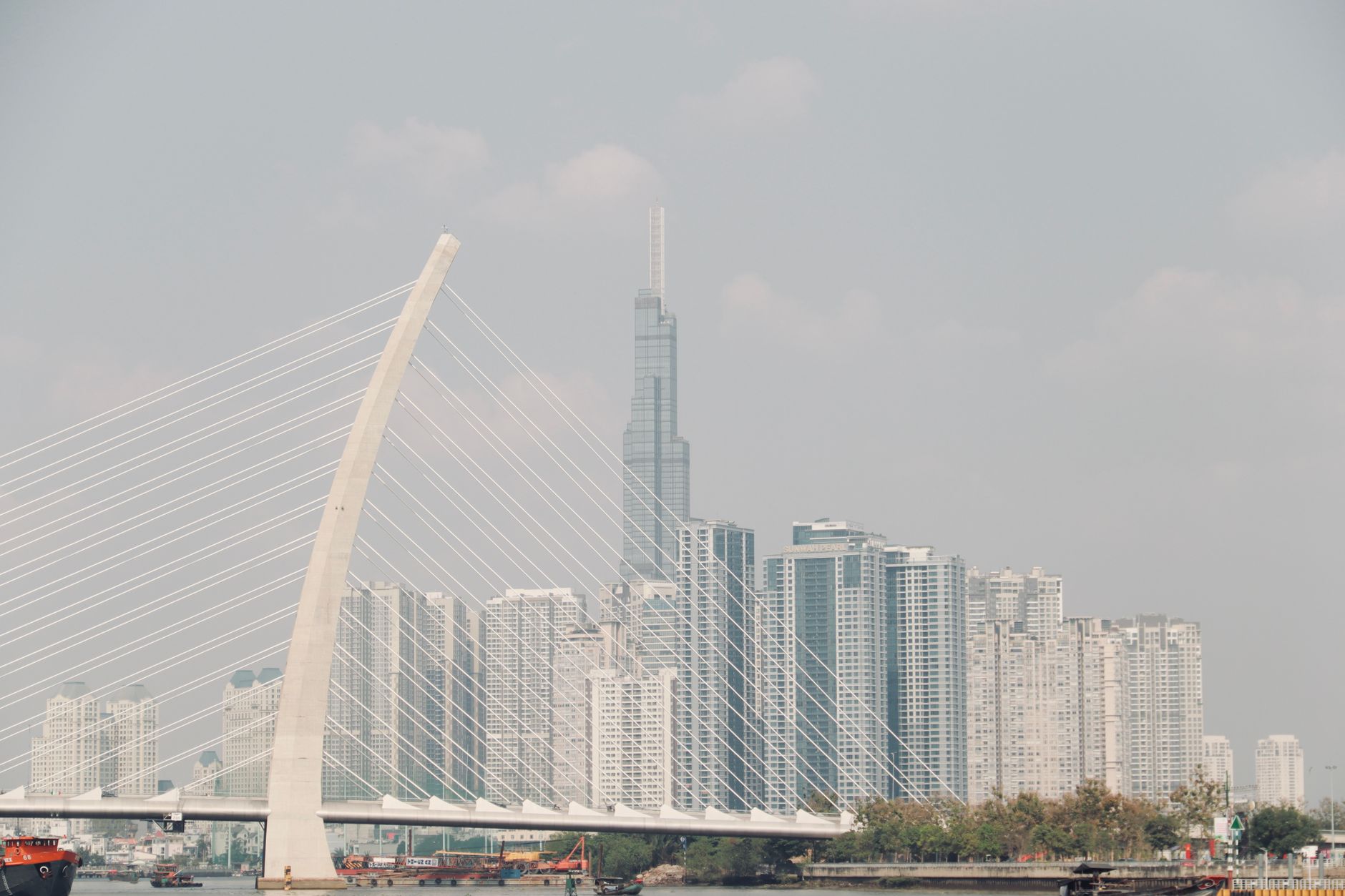
Founder Notes — Lotus Investment Group
HCMC International Financial Centre Vision: The Big Picture
Trung tâm tài chính quốc tế TP.HCM: tầm nhìn, lý do chọn TP.HCM, và tham vọng đứng vào bản đồ vốn châu Á
Việt Nam đặt cược vào một ý tưởng lớn: dựng một trung tâm tài chính quốc tế đủ tầm để giới đầu tư khắp châu Á phải nhìn vào. Quốc hội đã chốt chủ trương lập hai trung tâm, một ở TP.HCM và một ở Đà Nẵng, với TP.HCM là lõi. Bài này không đi vào cơ chế hay khung pháp lý phía sau; những phần đó có bài riêng. Ở đây ta nhìn bức tranh lớn: trung tâm ấy được hình dung là gì, vì sao là TP.HCM, và tham vọng đứng đằng sau cái danh xưng đến đâu.
Hình dung cốt lõi rất gọn: một sàn vốn vận hành theo luật lệ, có độ tin quốc tế, đặt ngay trên đất Việt Nam. Khác hẳn các thiên đường thuế buông lỏng, TP.HCM không bán sự dễ dãi. Nó bán độ tin — một nơi vốn định chế có thể vào, ra, và làm việc trong một trật tự pháp lý mà thị trường toàn cầu nhận ra. Tầm nhìn ấy được nắn cho khớp thực tế Việt Nam, nơi vẫn còn kiểm soát vốn và những ràng buộc với nhà đầu tư trong nước, nên nó không phải bản sao của một mô hình nước ngoài nào.
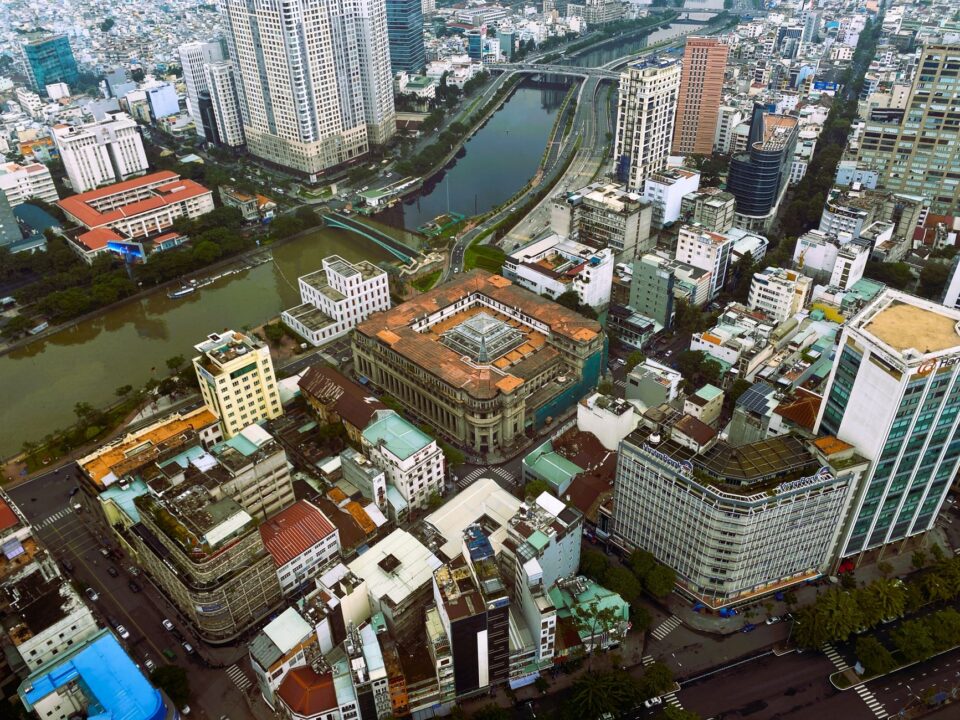
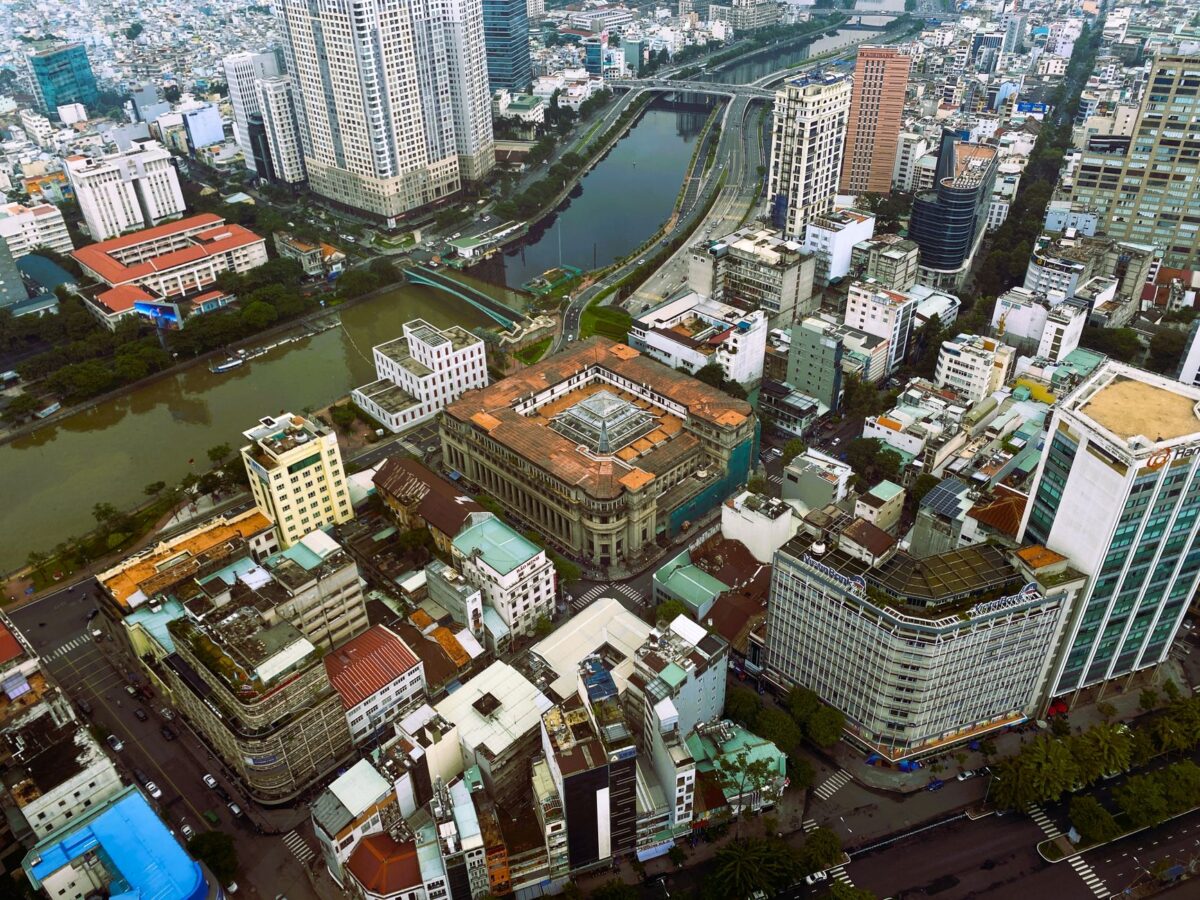
Tham vọng đo được bằng con số. Trung tâm trải trên 793 ha ở Thủ Thiêm và một phần khu trung tâm, với vốn ước vượt 7 tỷ USD gom cả nguồn công lẫn tư. Đây không phải một khu phân lô mang tính biểu tượng. Nó được hình dung thành một hành lang tài chính đa chức năng — chỗ cho các định chế, cho thị trường vốn, cho cả một hệ sinh thái dịch vụ mọc quanh. Tầm vóc vật chất ấy nói lên ý định: Việt Nam muốn chơi ở hạng nào.
Từ tham vọng đến một quyết định cấp quốc gia
Trong nhiều năm, ý tưởng một trung tâm tài chính quốc tế ở TP.HCM chỉ là khát vọng được nhắc đi nhắc lại trong các diễn đàn. Việc Quốc hội thông qua chủ trương đánh dấu lúc khát vọng đó bước qua lằn ranh, trở thành một mục tiêu quốc gia có địa chỉ rõ ràng. Hai trung tâm được đặt ra cùng lúc, TP.HCM và Đà Nẵng, nhưng vai khác nhau: Đà Nẵng hướng tới một mô hình quy mô vừa, còn TP.HCM gánh tham vọng lớn nhất, đóng vai cực tài chính của cả nước.
Điều đáng chú ý không nằm ở chỗ Việt Nam muốn có một trung tâm tài chính — gần như nước nào trong khu vực cũng từng muốn. Nó nằm ở chỗ lần này có một cam kết cấp cao nhất đứng sau, mang theo thẩm quyền thật và nguồn lực thật. Phần chi tiết về văn bản cho phép trung tâm ra đời thuộc về một bài khác trong loạt này. Ở tầm nhìn, điều quan trọng là: đây là lần đầu tham vọng được chuyển thành một chương trình hành động mà bộ máy nhà nước phải chịu trách nhiệm thực hiện.
Vì sao là TP.HCM
Việc chọn TP.HCM không phải ngẫu nhiên. Đây là đầu tàu kinh tế của cả nước, nơi tập trung dòng tiền, doanh nghiệp lớn và lực lượng lao động tài chính dày nhất. Sở Giao dịch Chứng khoán đặt ở đây, phần lớn các ngân hàng và quỹ cũng vận hành từ đây. Một trung tâm tài chính cần một thành phố đã có sẵn nhịp giao dịch, chứ không thể dựng từ con số không trên một vùng đất trống.
Thủ Thiêm cho TP.HCM một lợi thế hiếm: một quỹ đất lớn, liền mạch, sát ngay lõi đô thị cũ, đủ chỗ để quy hoạch một khu tài chính đúng nghĩa thay vì chắp vá vào phố cũ. Vị trí địa lý cũng thuận — cùng múi giờ với phần lớn châu Á, nằm giữa các trung tâm vốn lớn, trên các tuyến bay và tuyến thương mại sôi động nhất khu vực. Khi đặt cạnh nhau, quy mô kinh tế, quỹ đất và vị trí biến TP.HCM thành ứng viên tự nhiên cho tham vọng này.
Trung tâm ấy được hình dung sẽ làm gì
Tầm nhìn không dừng ở một khu nhà cao tầng có chữ tài chính treo bên ngoài. Trung tâm được hình dung quanh vài trọng tâm: hiện đại hóa thị trường vốn, nâng năng lực ngành ngân hàng, mở các nền tảng tiền số có quản chế, và đưa fintech vào một khuôn khổ đổi mới được quản trị đàng hoàng. Đó là bản phác về tính chất của nơi này — một trung tâm sống bằng giao dịch và dịch vụ tài chính, không phải bằng ưu đãi thuế.
Các lĩnh vực chiến lược cho thấy Việt Nam muốn dự phần vào đâu của dòng vốn toàn cầu: tài chính ESG, trái phiếu xanh, tài sản bất động sản đã chứng khoán hóa, và vốn mạo hiểm. Đây đều là những dòng vốn đang lớn nhanh ở châu Á và còn ít chỗ chuyên trách phục vụ trong vùng. Nhắm vào chúng là một lựa chọn có tính toán — đi vào khoảng trống, thay vì đối đầu trực diện ở những mảng mà Singapore hay Hồng Kông đã thống lĩnh.
Tham vọng đặt vào bản đồ vốn châu Á
Đích đến cuối cùng của tầm nhìn là một nhịp cầu hai chiều cho vốn định chế khắp châu Á – Thái Bình Dương: vốn nước ngoài chảy vào các cơ hội Việt Nam, và doanh nghiệp Việt vươn ra thị trường khu vực, cả hai đi qua một nền tảng đặt trong nước. Nói cách khác, Việt Nam muốn thôi làm điểm đến thụ động của dòng vốn, để trở thành một mắt xích chủ động trong mạng lưới tài chính khu vực.
Tham vọng ấy buộc TP.HCM phải tự định vị cạnh những tên tuổi đã có chỗ đứng. Trung tâm không cố thắng Singapore hay Hồng Kông ở mọi mặt; nó tìm một thị phần riêng, gắn với chính tăng trưởng và độ mở dần của kinh tế Việt Nam. Việc so kè cụ thể với các đối thủ trong vùng, chuyện TP.HCM đứng ở đâu trên bảng xếp hạng và hơn kém ra sao, là chủ đề của một bài phân tích riêng. Ở tầm nhìn, điểm cốt lõi là tham vọng đã được nói thẳng: Việt Nam muốn một ghế trong câu chuyện vốn của châu Á.
Khoảng cách giữa tầm nhìn và hiện thực
Một tầm nhìn lớn không tự biến thành một sàn vốn sống được. Một trung tâm tài chính quốc tế không sống bằng diện tích hay tòa nhà; nó sống bằng thanh khoản, độ tin pháp lý và khả năng thực thi một thương vụ từ đầu đến cuối ngay trên nền tảng trong nước. Đó là khoảng cách thật giữa nghị quyết và thực tế, và là chỗ tham vọng được đem ra thử.
Lấp khoảng cách ấy cần nhiều lớp việc — các định chế pháp lý, hạ tầng thị trường, khung quản chế, và một hệ sinh thái dịch vụ đủ sâu để giao dịch chạy trơn. Mỗi lớp là một câu chuyện riêng, được mổ xẻ trong các bài đồng hành của loạt này. Bài này giữ phần khung lớn: vì sao trung tâm tồn tại, nó hướng tới điều gì, và tham vọng đặt cược đến đâu. Hiểu được tầm nhìn là cách đọc đúng mọi mảnh ghép còn lại.
Kết luận
Tham vọng trở thành một cực tài chính khu vực của Việt Nam là có cơ sở. TP.HCM có quy mô kinh tế, có quỹ đất ở Thủ Thiêm, có vị trí, và giờ có cả một chủ trương cấp quốc gia đứng sau. 793 ha và 7 tỷ USD cho khung vật chất; các trọng tâm về thị trường vốn, ngân hàng, tiền số và fintech cho hình hài; còn nhịp cầu vốn hai chiều cho lý do tồn tại.
Nhưng tầm nhìn mới chỉ là điểm xuất phát. Phần khó là biến nó thành một sàn vốn mà giới đầu tư toàn cầu tin và dùng — và phần ấy nằm ở thực thi, ở những lớp thể chế và thị trường mà các bài khác trong loạt soi kỹ. Giai đoạn tài chính tiếp theo của Việt Nam sẽ thuộc về những người dựng được phần thực chất phía sau cái danh xưng, chứ không chỉ những người công bố tầm nhìn.
Lotus Investment Group tư vấn M&A xuyên biên giới và FDI vào Việt Nam và Đông Nam Á. Nếu quý vị đang thẩm định một vị thế tại Việt Nam, liên hệ với chúng tôi.
Vietnam is betting on a big idea: build an international financial centre serious enough that investors across Asia have to take notice. The National Assembly has approved two, one in Ho Chi Minh City and one in Da Nang, with HCMC at the core. This piece isn’t about the legal machinery or the building blocks behind it; those have their own companion articles. Here we take the wide view: what the centre is meant to be, why HCMC, and how far the ambition behind the designation actually reaches.
The core idea is simple to state: a rules-based capital-markets platform, internationally credible, sitting on Vietnamese soil. Unlike loosely run tax havens, HCMC isn’t selling leniency. It’s selling trust — a place where institutional capital can enter, exit and operate inside a legal order global markets recognise. The vision is shaped to fit Vietnam’s realities, capital controls and domestic investor constraints among them, so it can’t be a clone of any foreign model.
The ambition is measurable. The centre spans 793 hectares across Thu Thiem and parts of the central district, with investment estimated past USD 7 billion across public and private channels. This isn’t symbolic zoning. It’s envisioned as a multifunctional financial corridor — room for institutions, for capital markets, for a whole service ecosystem to grow around them. That physical scale signals intent: it tells you which league Vietnam wants to play in.
From ambition to a national decision
For years, an international financial centre in HCMC was an aspiration repeated at forums and little more. The National Assembly’s approval marks the moment that aspiration crossed a line and became a national objective with a concrete address. Two centres were set out at once, HCMC and Da Nang, but with different roles: Da Nang aims at a mid-sized model, while HCMC carries the larger ambition, playing the country’s financial pole.
What’s notable isn’t that Vietnam wants a financial centre; nearly every country in the region has wanted one at some point. It’s that this time a top-level commitment stands behind it, carrying real authority and resources. The detail of the instrument that brings the centre into being belongs to a separate piece in this series. At the level of vision, the point is this: for the first time the ambition has been converted into a programme the state apparatus is accountable for delivering.
Why Ho Chi Minh City
The choice of HCMC is no accident. It’s the country’s economic engine — the densest concentration of money, large companies and financial workers. The Stock Exchange sits here; most banks and funds run from here too. A financial centre needs a city that already has a trading rhythm, not one built from zero on empty ground.
Thu Thiem gives HCMC a rare advantage: a large, contiguous land bank right beside the old urban core, enough room to plan a proper financial district rather than graft one onto crowded streets. The geography helps as well — the same time zone as most of Asia, positioned among the region’s major capital centres, on its busiest air and trade routes. Put together, economic weight, available land and location make HCMC the natural candidate for this ambition.
What the centre is meant to do
The vision stops well short of a cluster of towers with the word finance hung outside. The centre is conceived around a few priorities: modernising capital markets, deepening banking capability, launching regulated digital-currency platforms, and folding fintech into a properly governed innovation framework. That sketches the character of the place — a centre that lives on transactions and financial services, not on tax breaks.
The strategic focus areas reveal where Vietnam wants to take part in global capital flows: ESG finance, green bonds, securitised real-estate assets and venture capital. These are flows growing fast across Asia with still-thin dedicated coverage in the region. Aiming at them is a calculated choice — going for the open space rather than meeting Singapore or Hong Kong head-on where they already dominate.
The ambition to join Asia’s capital map
The vision’s ultimate aim is a two-way bridge for institutional capital across the Asia-Pacific: foreign money flowing into Vietnamese opportunities, and Vietnamese firms reaching regional markets, both running through a domestically based platform. Put differently, Vietnam wants to stop being a passive destination for capital and become an active link in the region’s financial network.
That ambition forces HCMC to position itself alongside established names. The centre isn’t trying to beat Singapore or Hong Kong on every front; it’s looking for a niche of its own, tied to Vietnam’s own growth and gradual opening. The specific scorekeeping against regional rivals, where HCMC ranks and how it measures up, is the subject of a separate analysis. At the level of vision, the core point is that the ambition has been stated plainly: Vietnam wants a seat in Asia’s capital story.
The gap between vision and reality
A big vision doesn’t turn itself into a working capital-markets platform. An international financial centre doesn’t live on floor area or buildings; it lives on liquidity, legal certainty and the ability to take a transaction end to end on a domestic platform. That’s the real gap between a resolution and reality, and it’s where the ambition gets tested.
Closing that gap takes several layers of work — legal institutions, market infrastructure, the regulatory framework, and a service ecosystem deep enough for deals to run smoothly. Each layer is its own story, dissected in this series’ companion pieces. This one holds the wide frame: why the centre exists, what it aims at, and how far the bet reaches. Grasping the vision is how you read every remaining piece correctly.
Conclusion
Vietnam’s ambition to become a regional financial pole is credible. HCMC has the economic weight, the Thu Thiem land bank, the location, and now a national mandate behind it. The 793 hectares and USD 7 billion supply the physical frame; the priorities across capital markets, banking, digital currency and fintech give it shape; and the two-way capital bridge gives it a reason to exist.
But a vision is only a starting point. The hard part is turning it into a platform global investors trust and use — and that lives in execution, in the institutional and market layers that the other pieces in this series examine closely. Vietnam’s next financial phase will belong to those who build the substance behind the designation, not just those who announce the vision.
Lotus Investment Group advises on cross-border M&A and FDI into Vietnam and Southeast Asia. If you are underwriting Vietnam exposure, get in touch.