
What Investors Misread About Vietnamese Family Businesses
July 8, 2025
Vietnam Healthcare M&A: Why Most Deals Fail
July 11, 2025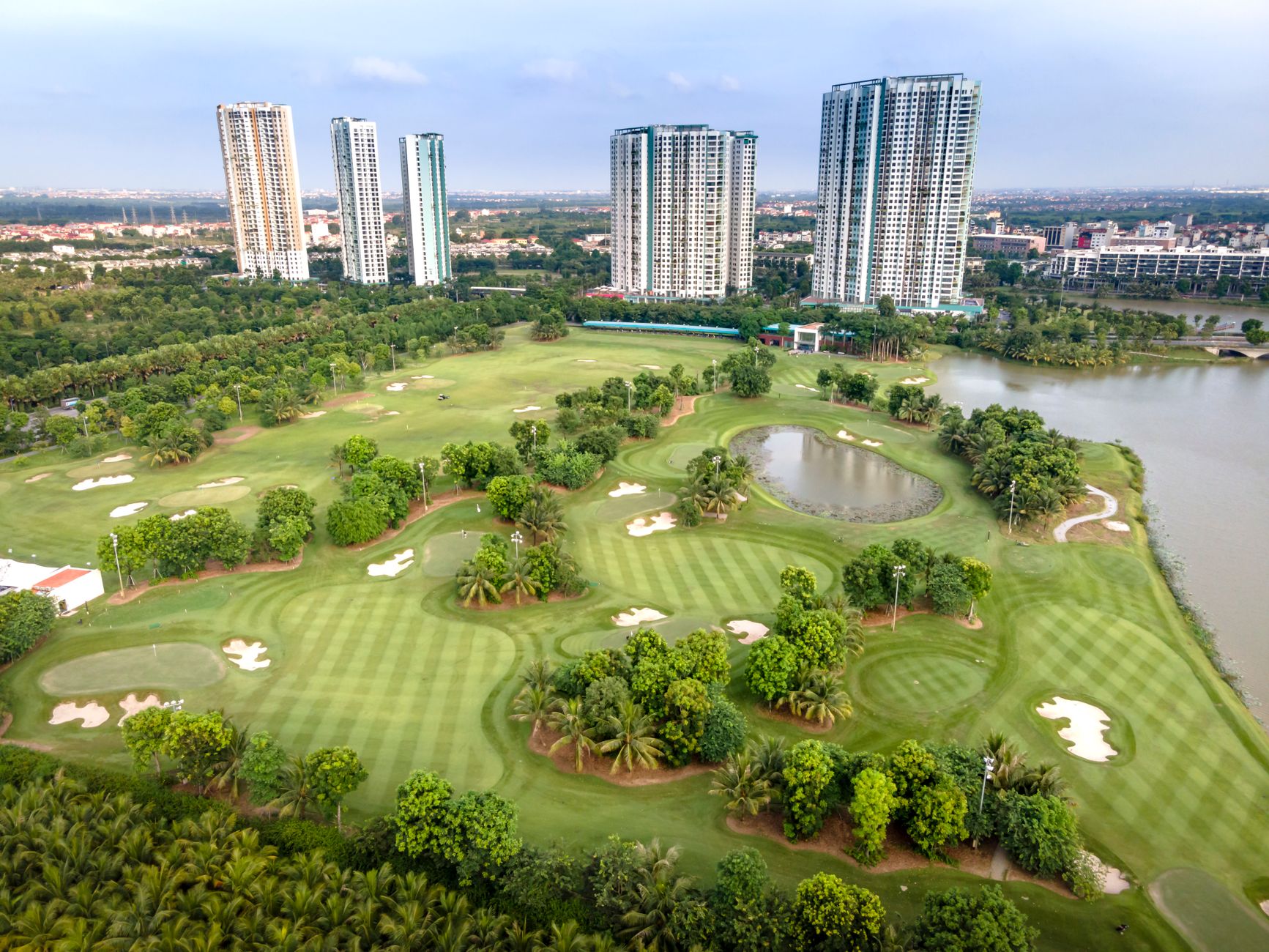
Founder Notes — Lotus Investment Group
Vietnam Golf Course Investment: Asset or Trophy?
Đầu tư sân golf tại Việt Nam: tài sản thực hay món đồ trang sức phong cách sống?
Gần như năm nào Việt Nam cũng công bố sân golf mới, thường gắn vào một quy hoạch tổng thể nghỉ dưỡng hoặc một dự án nhà ở mang thương hiệu. Sự lạc quan ấy dễ hiểu, và cũng dễ bị thổi quá tay. Gạt lớp tiếp thị sang một bên, chỉ còn một câu hỏi định đoạt tất cả: những sân golf này là tài sản thực sinh ra dòng tiền, hay là món đồ trang sức được giữ nổi nhờ đầu cơ đất? Với phần lớn dự án, câu trả lời thật thà là vế thứ hai.
Số sân golf cả nước đã tăng từ chưa tới 30 sân năm 2010 lên hơn 80 sân hiện nay, với ít nhất 30 sân nữa đang trong quy hoạch. Những dự án tích hợp đình đám ở Đà Nẵng, Nha Trang và Đồng Nai củng cố ấn tượng rằng golf là một ngành dễ nhân rộng và sinh lời. Trên giấy thì lập luận đứng vững. Việt Nam đón hơn 10 triệu lượt khách quốc tế mỗi năm, nhiều người chi mạnh cho giải trí, còn nhu cầu trong nước cũng tăng dần trong tầng lớp khá giả mới.
Nhà đầu tư có kinh nghiệm biết bài toán trên giấy và bài toán tiền mặt lệch nhau. Doanh thu phí sân golf đứng một mình hiếm khi tạo ra lợi suất ổn định. Phần lớn sân ở Việt Nam chạy dưới 45% công suất ngoài cuối tuần và ngày lễ, trong khi chi phí bảo trì và nhân sự cố định, bóp nghẹt biên lợi nhuận. Một phân tích năm 2023 của Lotus Venture cho thấy chưa tới 20% sân golf Việt Nam đạt biên EBITDA hai chữ số ổn định chỉ từ vận hành. Số còn lại phải dựa vào bất động sản liền kề hoặc quyền phát triển dự án mới trả nổi thứ mà nhà đầu tư gọi là lợi suất.
Phí sân golf hiếm khi nuôi nổi chính sân golf
Coi sân golf như một doanh nghiệp vận hành thuần túy thì con số thường gây thất vọng. Nền chi phí cố định nặng, công suất mỏng ngoài giờ cao điểm, còn thiết kế cao cấp cộng thương hiệu quốc tế giúp ích cho doanh thu phí sân ít hơn nhiều so với lời quảng cáo. Những sân thật sự bù được chi phí vốn thường làm được nhờ tận dụng vị thế đất vào việc khác, không phải nhờ golf.
Đó là ranh giới mà mọi thương vụ buộc phải phân định: sân golf như một doanh nghiệp vận hành, hay sân golf như một nền tảng dẫn dắt bằng đất. Nhầm chỗ này, tài sản trang sức ngốn tiền nhanh hơn mức nó sinh ra. Phân đúng, golf thôi đóng vai trò cỗ máy lợi nhuận và trở thành tấm giấy phép — cái cớ để một tỉnh giao một lô đất lớn, đắc địa, mà phần dự án bao quanh mới là chỗ khai thác được giá trị.
Kinh tế dẫn dắt bằng đất, nói bằng con số
Một dự án gần đây ở Đồng Nai cho thấy sự tách bạch ấy rõ mồn một. Phần vận hành golf lõi tạo dòng tiền khiêm tốn. Phần nhà ở tích hợp, ngược lại, chốt hơn 150 triệu USD hợp đồng bán hàng trong vòng 18 tháng kể từ lúc mở bán. Sân golf chưa bao giờ là tài sản; nó là chìa khóa mở ra tài sản.
Những sân đứng một mình, sống nhờ phí hội viên, kể câu chuyện ngược lại. Chúng chật vật giữ lợi nhuận, nhất là qua các giai đoạn thấp điểm, và không có dòng doanh thu thứ hai để gánh chi phí cố định. Tại Việt Nam, golf là phương tiện giải phóng giá trị đất, không phải nguồn chính tạo ra giá trị đó. Nhà đầu tư cấu trúc thương vụ như thể phí sân sẽ gánh hết thường là người ký séc bù lỗ.
Cấu trúc phần lời: mô hình kiểu Golfzon
Một cách làm dịu biến động doanh thu là gộp cấp phép, vận hành và quyền phát triển vào một cấu trúc duy nhất. Một đơn vị vận hành nước ngoài bắt tay với chủ đất trong nước cùng phát triển công trình; doanh thu chia ra cho phí sân, bán lẻ và ẩm thực, cùng bán nhà ở; bên vận hành nhận một phần tổng doanh thu cộng phí quản lý gắn với mốc hiệu quả. Thu nhập đến từ nhiều dòng thay vì một dòng dễ chao đảo.
Một nhà đầu tư Hàn Quốc đã chạy mô hình này ở miền Trung. Liên doanh nhận phần góp đất từ đối tác trong nước, còn phía nước ngoài rót vốn xây dựng và vận hành; hợp đồng kèm theo quyền chọn theo mốc tiến độ trên các lô đất phát triển liền kề. Mảng vận hành vẫn trụ được ngay cả khi công suất sân thua dự báo. Cấu trúc này còn gỡ một nút pháp lý: vì đối tác trong nước nắm quyền sử dụng đất, nhà đầu tư nước ngoài hưởng phần lời mà tránh được rắc rối của việc sở hữu đất trực tiếp.
Cấp tỉnh mới nắm đòn bẩy thật
Phê duyệt chuyển đổi đất, đưa vào quy hoạch tổng thể và cam kết hạ tầng định đoạt kết quả thương mại thường xuyên hơn là lý lịch thiết kế. Người gác cổng là chính quyền tỉnh, không phải kiến trúc sư. Đồng Nai đã thành ví dụ điển hình. Tỉnh đẩy mô hình golf gắn du lịch để hứng nhu cầu lan tỏa từ sân bay quốc tế Long Thành, và chính sách gần đây đã rút gọn thủ tục cho các dự án giải trí quy mô lớn gắn với khu kinh tế của tỉnh.
Bài học thực tế nằm ở trình tự. Nhà đầu tư tiếp xúc chính quyền tỉnh sớm và bám sát ưu tiên du lịch, hạ tầng thì tiếp cận đất kịp thời; ai bỏ qua bước đó thì vướng chậm trễ hoặc không bao giờ xin được thay đổi quy hoạch cần thiết. Lotus Venture đã dẫn nhiều nhóm nhà đầu tư qua đúng chặng này, ghép việc làm việc với bên liên quan tại địa phương cùng các liên doanh cân bằng vốn ngoại với quyền sử dụng đất trong nước — qua đó giảm rủi ro triển khai và rút ngắn tiến độ phát triển.
Điều gì khiến một tài sản golf đáng đầu tư
Đặt dưới những tiêu chí kỷ luật, một số tài sản loại này thật sự hấp dẫn. Bốn điều phải đúng cùng lúc. Quyền sử dụng đất phải chắc chắn, hồ sơ rõ ràng, và chuyển đổi được sang mục đích hỗn hợp hoặc du lịch. Phương án phải mang doanh thu đa dạng — cấu phần nhà ở hoặc khách sạn để trợ cho dòng tiền vận hành. Đơn vị vận hành phải có hồ sơ thật về điều hành sân theo chuẩn quốc tế, đó mới là thứ giữ được mức giá cao cấp. Và cơ chế chia doanh thu hoặc tham gia lợi nhuận phải gắn lợi ích nhà đầu tư nước ngoài với chủ đất trong nước, để không bên nào kéo ngược bên nào.
Có đủ những nền tảng đó, một khoản đầu tư golf có thể mang lợi suất hấp dẫn sau điều chỉnh rủi ro. Thiếu chúng, nó trở về bản chất cũ — một dự án phù phiếm nuốt vốn. Lotus Venture đã tư vấn nhiều thương vụ golf và nghỉ dưỡng khắp Việt Nam, và quy luật luôn nhất quán: thành công xoay quanh cấu trúc, không phải vị trí hay danh tiếng thiết kế. Trong một thương vụ ở Đồng Nai, chúng tôi giúp một nhóm nhà đầu tư châu Á xin được chấp thuận chủ trương cho sân 36 lỗ gắn với khu nhà ở mang thương hiệu, neo việc giải ngân vào các mốc pháp lý để nhà đầu tư không bao giờ phải rót khoản lớn trước khi chắc chắn về quy hoạch.
Kết luận
Ngành golf Việt Nam sẽ vẫn hút nhà đầu tư thích phần giao nhau giữa du lịch, giải trí và bất động sản. Sức hút là thật. Cái thường thiếu là kỷ luật. Phí sân gần như chẳng bao giờ tự biện minh nổi cho khoản vốn bỏ ra; lợi suất đến từ phần lời dẫn dắt bằng đất, từ phát triển tích hợp, và từ những liên kết giữ được tuân thủ pháp lý và tham vọng thương mại trong cùng một khung.
Cách nghĩ sạch sẽ hơn là coi nó như một tài sản lai — vận hành giải trí ghép với tiềm năng phát triển, không vế nào đứng một mình. Nhà đầu tư biết làm việc với chính quyền tỉnh, gắn lợi ích với đối tác trong nước và dựng mô hình doanh thu đủ bền sẽ nắm được cơ hội thật phía sau những đường golf. Số còn lại chỉ sở hữu một cách thua lỗ được chăm chút đẹp đẽ.
Lotus Investment Group tư vấn M&A xuyên biên giới và FDI vào Việt Nam và Đông Nam Á. Nếu quý vị đang thẩm định một vị thế tại Việt Nam, liên hệ với chúng tôi.
Vietnam announces new golf courses almost every year, usually bolted onto a resort master plan or a branded residential scheme. The optimism is easy to understand and easy to oversell. Strip away the marketing and one question decides everything: are these courses real income-generating assets, or prestige trophies kept afloat by land speculation? The honest answer, for most of them, is the second.
The country’s golf footprint has grown from fewer than 30 courses in 2010 to more than 80 today, with at least 30 more in the pipeline. High-profile integrated developments in Danang, Nha Trang and Dong Nai have reinforced the idea that golf is a scalable, profitable sector. On paper the case holds. Vietnam draws over 10 million international tourists a year, many of them heavy leisure spenders, and domestic interest is climbing among the new affluent class.
Experienced investors know the paper case and the cash case diverge. Green-fee revenue on its own rarely produces stable returns. Most courses in Vietnam run below 45% capacity outside weekends and holidays, while maintenance and staffing costs stay fixed, which crushes margins. A 2023 Lotus Venture analysis found that fewer than 20% of Vietnamese courses generated a consistent double-digit EBITDA margin from operations alone. The rest lean on adjoining real estate or development rights to deliver anything investors would call a return.
Green fees rarely pay for the course
Treat a golf course as a pure operating business and the numbers usually disappoint. The fixed cost base is heavy, utilisation is thin outside peak windows, and premium design plus international branding does less for green-fee revenue than the brochures imply. Courses that genuinely cover their cost of capital tend to do it by using their land position for something other than golf.
That is the distinction every deal has to make: a course as an operating business versus a course as a land-led platform. Get it wrong and a trophy asset drains cash faster than it returns it. Get it right and golf stops being the profit engine and becomes the permit — the reason a province grants a large, well-located parcel that the surrounding development can monetise.
The land-led economics, in numbers
A recent Dong Nai project shows the split cleanly. The core golf operation threw off modest cash flow. The integrated residential component, by contrast, booked over $150 million in contracted sales within 18 months of launch. The course was never the asset; it was the key to it.
Standalone courses leaning on member fees tell the opposite story. They struggle to hold profitability, especially through off-peak stretches, and have no second revenue line to absorb the fixed costs. In Vietnam, golf is a means to release land value, not the primary source of it. Investors who structure a deal as if green fees will carry it are usually the ones writing cheques against a loss.
Structuring upside: the Golfzon-style model
One way to blunt revenue volatility is to fold licensing, operations and development rights into a single structure. A foreign operator partners with a local landowner to co-develop the facility; revenue is split across green fees, retail and F&B, and residential sales; the operator takes a share of gross turnover plus management fees tied to performance benchmarks. Income comes from several streams rather than one volatile line.
A Korean investor ran this in central Vietnam. The joint venture took land contributions from the local partner while the foreign side funded construction and operations, and the agreement attached milestone-based calls on adjacent development parcels. The operating business stayed viable even when course utilisation lagged forecast. The structure also eases a regulatory knot: because the local partner holds the land-use rights, the foreign investor captures upside without the complications of direct land ownership.
Provinces hold the real lever
Land conversion approvals, master-plan inclusion and infrastructure commitments decide commercial outcomes more often than design pedigree does. Provincial governments, not architects, are the gatekeepers. Dong Nai has become the working example. The province is pushing integrated golf-and-tourism development to capture spillover demand from Long Thanh International Airport, and recent policy has streamlined approvals for large leisure projects tied to its economic zones.
The practical lesson is about sequencing. Investors who engage provincial authorities early and align with tourism and infrastructure priorities secure timely land access; those who skip that step hit delays or never get the zoning change they need. Lotus Venture has guided several investor groups through exactly this, pairing local stakeholder engagement with joint ventures that balance foreign capital against domestic land ownership — which cuts execution risk and shortens the development clock.
What a golf asset needs to be investable
Under disciplined criteria, some of these assets are genuinely attractive. Four things have to be true. Land-use rights must be secure, clearly documented and convertible to mixed-use or tourism designations. The plan must carry diversified revenue — residential or hospitality components that subsidise operating cash flow. The operator must have a real record of running courses to international standards, which is what sustains premium pricing. And a revenue-share or profit-participation mechanism must align the foreign investor and the local landowner so neither is pulling against the other.
Get those fundamentals in place and a golf investment can deliver attractive risk-adjusted returns. Miss them and it reverts to type — a vanity project that consumes capital. Lotus Venture has advised on multiple golf and resort transactions across Vietnam, and the pattern is consistent: success hinges on structure, not on location or design pedigree. In one Dong Nai deal we helped an Asian investor group win pre-approval for a 36-hole course tied to a branded residential village, linking capital deployment to regulatory milestones so the investor never committed large sums before zoning certainty was in hand.
Conclusion
Vietnam’s golf sector will keep drawing investors who like the overlap of tourism, leisure and real estate. The pull is real. The discipline is what’s usually missing. Green fees almost never justify the capital outlay on their own; returns come from land-led upside, integrated development and partnerships that hold compliance and commercial ambition in the same frame.
The cleaner way to think about it is as a hybrid asset — leisure operations stapled to development potential, neither one standing alone. Investors who engage provincial authorities, align incentives with domestic partners and build resilient revenue models will take the real opportunity behind the fairways. The rest will own a beautifully maintained way to lose money.
Lotus Investment Group advises on cross-border M&A and FDI into Vietnam and Southeast Asia. If you are underwriting Vietnam exposure, get in touch.