


Vietnam Deal Market Momentum: A Strategic Shift
December 10, 2025
Vietnam M&A Fundamentals: Winning in a Tougher Market
December 12, 2025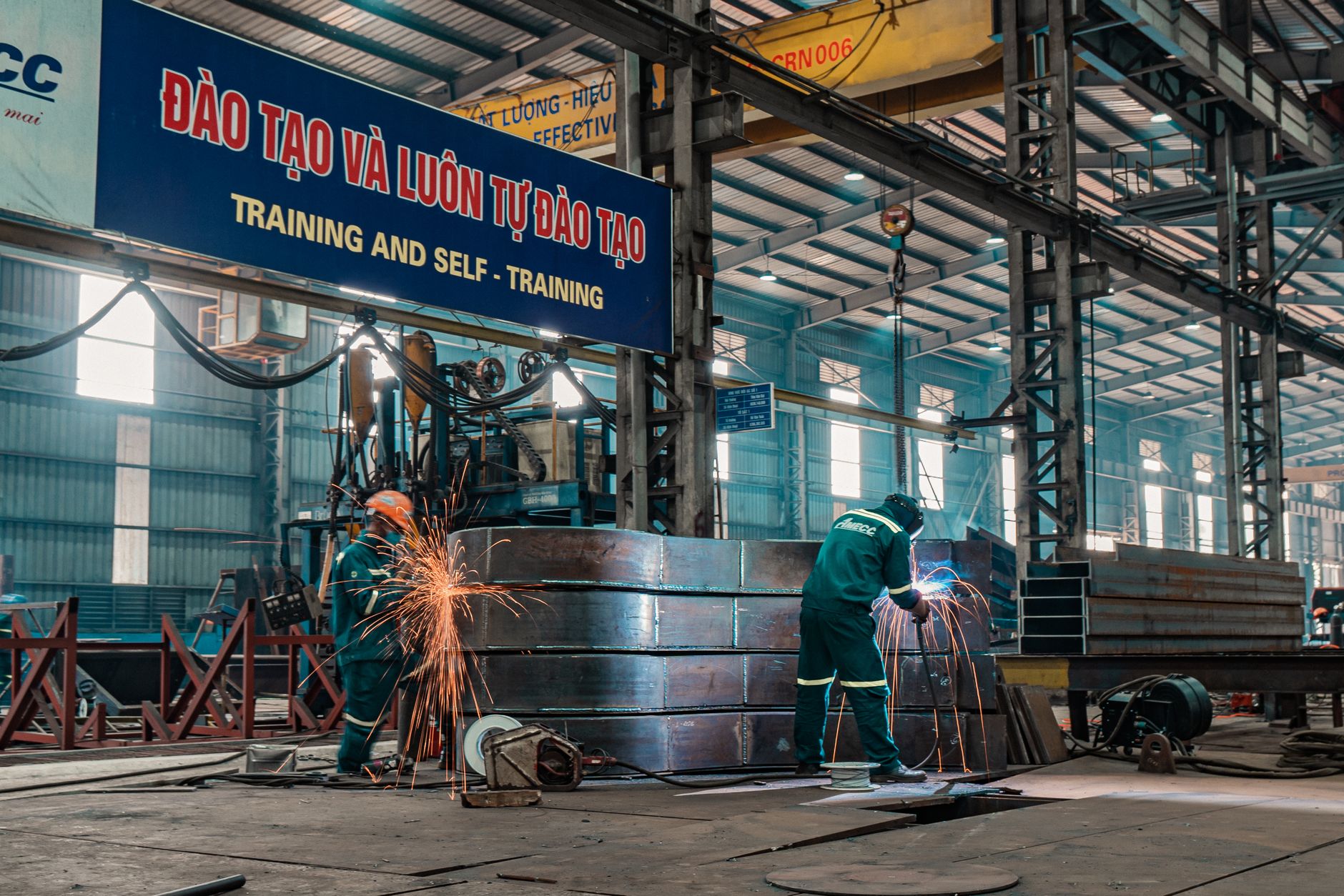
Founder Notes — Lotus Investment Group
Vietnam FDI Investor Confidence: Capital, Stakes, Commitment
Niềm tin nhà đầu tư nâng triển vọng FDI Việt Nam: tăng vốn, mua cổ phần, cam kết dài hạn
Dòng vốn FDI vào Việt Nam đang đổi về chất. Điểm đáng chú ý không phải là một làn sóng dự án hoàn toàn mới, mà là việc nhà đầu tư đang có mặt chọn làm gì tiếp theo: bổ sung vốn đăng ký, nâng tỷ lệ sở hữu, kéo dài chân trời cho những cam kết đã đặt. Sau hai năm thận trọng vì bất định toàn cầu, đó mới là tín hiệu nói lên nhiều điều. Doanh nghiệp chọn nơi khởi công một phần dựa vào kỳ vọng; nhưng chọn nơi rót thêm tiền thì chỉ sau khi đã sống cùng môi trường vận hành ở đó.
Đọc dòng vốn theo cách ấy, câu chuyện là về niềm tin nhà đầu tư, không đơn thuần là đếm số giấy phép mới. Các tập đoàn đa quốc gia đang dồn lực vào chế tạo, công nghệ cao và dịch vụ — mở rộng chính nhà máy họ đã dựng thay vì rải vốn ra nhiều địa bàn mới. Cách hành xử đó cho thấy họ coi Việt Nam là cứ điểm sản xuất, đổi mới và phân phối lõi cho cả thập niên tới, chứ không phải một phương án phòng hờ bên rìa. Mức tăng của vốn điều chỉnh và các thương vụ mua cổ phần còn hé lộ một hệ sinh thái đầu tư đã trưởng thành, vượt qua giai đoạn chỉ trông vào dự án xây mới.
Tái đầu tư mới là thước đo thật của niềm tin nhà đầu tư
Vốn đăng ký bổ sung từ những nhà đầu tư đã có mặt đang trở thành chỉ báo có ý nghĩa hơn về ý định dài hạn. FDI mới vẫn quan trọng, nhưng mang trọng lượng khác: ai cũng có thể bị thuyết phục bởi một bản chào. Còn việc tăng vốn đến từ doanh nghiệp đã thử nghiệm môi trường, kiểm chứng rằng hoạt động của mình chạy được, rồi vẫn quyết định mở rộng nhà máy, nâng cấp công nghệ, đào sâu chuỗi cung ứng. Đó là lá phiếu bỏ ra với kinh nghiệm đứng phía sau.
Nó cũng định lại cách các hãng này nhìn nhận đất nước. Tái đầu tư ở quy mô lớn nghĩa là Việt Nam đã dịch từ một cứ điểm bên rìa thành một ưu tiên trong chiến lược toàn cầu của họ — và phần lợi thuộc về nước chủ nhà: năng lực công nghệ được nâng, sản xuất hiện đại hóa, năng lực xuất khẩu mạnh hơn. Lượng tái đầu tư tăng phản ánh những cải thiện có thật trên thực địa, từ thủ tục hành chính, hậu cần đến độ dày của lực lượng lao động. Đó là những lý do cấu trúc khiến nhà đầu tư ở lại và rót thêm, thay vì thử một lần rồi rút.
Mua cổ phần phát tín hiệu về ý định chiến lược sâu hơn
Thương vụ mua cổ phần đã thành một kênh dẫn vốn quan trọng theo cách riêng của nó. Nhà đầu tư nước ngoài đang nắm cổ phần chiến lược tại các doanh nghiệp Việt Nam, tập trung ở những ngành có nhu cầu nội địa mạnh và tiềm năng xuất khẩu. Mua vào một doanh nghiệp sẵn có, thay vì xây từ con số không, cho thấy khẩu vị với tài sản chu kỳ dài và một cú đặt cược vào hợp nhất ngành — và vì giao dịch cổ phần thường mang ý định chiến lược sâu hơn dự án xây mới, đây là một trong những chỉ dấu rõ hơn về niềm tin.
Con đường này có sức hút thực dụng. Mua cổ phần cho phép nhà đầu tư bước vào những ngành có điều kiện pháp lý chặt linh hoạt hơn, dựng dần tỷ lệ sở hữu thay vì cam kết một dự án xây mới quy mô lớn ngay từ đầu. Cách đó giảm rủi ro ban đầu mà vẫn giữ được phần lợi về sau. Phía Việt Nam cũng được lợi: vốn, chuyển giao công nghệ, kỷ luật quản trị. Và khi lợi ích của nhà đầu tư nước ngoài khớp với doanh nghiệp trong nước, quan hệ hợp tác thường sống lâu hơn cả thương vụ đã sinh ra nó.
Chế tạo vẫn là xương sống của dòng vốn
Chế tạo vẫn hút phần lớn vốn khi các doanh nghiệp toàn cầu sắp xếp lại chuỗi cung ứng. Điện tử, bán dẫn, linh kiện ô tô và thiết bị chính xác dẫn đầu các nhóm ngành, và khi những ngành này lớn lên, chúng kéo theo cả phần còn lại của hệ sinh thái. Việt Nam có một tổ hợp đủ dùng ở đây: chi phí lao động cạnh tranh, cơ cấu dân số thuận lợi, ổn định chính trị, và vị trí cận kề các thị trường lớn châu Á.
Đa dạng hóa chuỗi cung ứng là lực chủ đạo đứng sau xu hướng này. Doanh nghiệp muốn có phương án thay thế cho những cụm sản xuất quá tập trung để kiểm soát rủi ro địa chính trị và vận hành, và Việt Nam đều đặn nằm trong nhóm điểm đến hàng đầu mỗi khi họ vẽ lại bản đồ ấy. Sức hút chạy theo hai chiều — chế tạo để xuất khẩu cho thị trường toàn cầu, và sản xuất nhắm vào chính nhu cầu nội địa đang lớn của Việt Nam.
Công nghệ cao đưa Việt Nam lên cao hơn trong chuỗi giá trị
Các ngành dựa trên đổi mới đang được chú ý nhiều hơn. Trung tâm dữ liệu, dịch vụ điện toán đám mây, bán dẫn và điện tử tiên tiến đều hút những cam kết mới, cho thấy nhà đầu tư tin Việt Nam có thể vượt khỏi khâu lắp ráp truyền thống. Định hướng chính sách của đất nước về chuyển đổi số và tăng trưởng xanh đỡ cho bước chuyển này — vốn ngày càng tìm tới những nơi có hạ tầng số, sự minh bạch pháp lý và đào tạo nhân lực khớp với các chủ đề tăng trưởng dài hạn.
Dấu hiệu rõ nhất nằm ở nghiên cứu và phát triển. Các công ty công nghệ toàn cầu đang mở rộng hoạt động R&D tại Việt Nam, không chỉ lắp ráp, phản ánh một đội ngũ kỹ sư đang dày lên và một môi trường đổi mới có chi phí hợp lý. Đó chính là loại hoạt động neo phần việc giá trị cao ở lại trong nước, thay vì để nó nằm ngoài biên giới.
Dịch vụ hút dòng vốn chất lượng cao hơn
Ra khỏi xưởng máy, nhà đầu tư đang mở rộng sang y tế, giáo dục, hậu cần, năng lượng tái tạo, bán lẻ và dịch vụ tài chính. Những ngành này nương theo thu nhập tăng, đô thị hóa và số hóa nhanh, và khi nền kinh tế hiện đại lên, chúng cũng tinh vi dần. Các quỹ đầu tư tư nhân nói riêng đang săn cơ hội trong các ngành hướng tới người tiêu dùng, dựa trên tầng lớp trung lưu đang nở ra của Việt Nam — nơi nền tảng nhu cầu mạnh gặp một thị trường còn phân mảnh, chín muồi cho hợp nhất.
Hậu cần và kho vận nằm bên dưới tất cả những thứ đó. Nhà đầu tư nước ngoài liên tục tìm những nền tảng hậu cần có thể nhân rộng để gánh cả phần mở rộng chế tạo lẫn đà tăng của thương mại điện tử — phần mô liên kết quyết định luận điểm đầu tư còn lại có thật sự chạy được hay không.
Cải cách chính sách và hạ tầng mạnh hơn làm nền cho bước chuyển
Đứng sau dòng vốn là cải cách bền bỉ. Việt Nam tiếp tục mài sắc các quy định về đầu tư, thủ tục đất đai, hoạt động kinh doanh và chuyển đổi số, mở những lối đi rõ ràng hơn cho cấp phép, sở hữu và quyền vận hành. Cam kết với các hiệp định quốc tế, từ khung thương mại số đến các hiệp định thương mại tự do thế hệ mới, củng cố uy tín của Việt Nam như một điểm đến ổn định. Trọng tâm về tăng trưởng xanh thì khớp với hướng đi của dòng vốn toàn cầu khi các chủ đề ESG dần thành tiêu chí đầu tư.
Hạ tầng là phần bổ trợ vật chất cho tất cả những điều ấy. Đầu tư vào cao tốc, cảng nước sâu, sân bay và hệ thống năng lượng cắt giảm chi phí hậu cần và cải thiện độ ổn định chuỗi cung ứng. Điện đáng tin có ý nghĩa nhất với chế tạo tiên tiến, và nhà đầu tư ưu tiên những nước bảo đảm được nguồn điện trong dài hạn. Việc xây dựng hạ tầng số, từ mạng cáp quang đến trung tâm dữ liệu, tạo điều kiện cho các mô hình đầu tư dựa trên công nghệ bén rễ.
Các đối tác chiến lược đào sâu chỗ đứng
Những đối tác lâu năm của Việt Nam đang gia cố vị thế chứ không giữ nguyên. Nhật Bản đào sâu các mối nối về chế tạo, hạ tầng và công nghệ số; các tập đoàn Hàn Quốc mở rộng ở điện tử, bán lẻ và công nghệ di chuyển; nhà đầu tư Singapore vẫn áp đảo trong bất động sản, hậu cần và dịch vụ tài chính. Trong khi đó, nhà đầu tư Mỹ ngày càng quan tâm tới chuỗi cung ứng bán dẫn, năng lượng sạch và hạ tầng số, kéo Việt Nam vào sâu hơn trong các hệ sinh thái công nghệ cao toàn cầu.
Vốn châu Âu mở rộng theo một trục riêng: phát triển bền vững, chuyển dịch năng lượng và tự động hóa công nghiệp, đúng những lĩnh vực Việt Nam đang muốn nâng cấp. Chính sự trùng khớp ấy làm cho quan hệ bền chứ không cơ hội, bởi cả hai phía cùng muốn một thứ ở chặng đường tới.
Mở rộng vốn báo hiệu độ trưởng thành thể chế
Khả năng hút tái đầu tư và mua cổ phần, không riêng đăng ký dự án mới, tự nó là một dấu mốc của niềm tin thể chế. Những nhà đầu tư đã hiểu cơ cấu thị trường và môi trường pháp lý Việt Nam mới là người đang mở rộng — và họ sẽ không làm vậy nếu thấy thể chế bên dưới mong manh. Về phần mình, doanh nghiệp trong nước ngày càng đưa đối tác nước ngoài vào để cải thiện quản trị, tái cấu trúc vốn và nâng cấp vận hành, làm hệ sinh thái doanh nghiệp vững hơn và đẩy nó lên những hoạt động giá trị cao hơn.
Quy mô giao dịch nới rộng cũng chỉ về cùng một hướng. Việt Nam giờ đón được cả nhà đầu tư tầm trung lẫn các tập đoàn đa quốc gia lớn tìm cam kết kéo dài nhiều thập niên — một biên độ mà thị trường kém trưởng thành hơn khó ôm cùng lúc.
Kết luận
Bức tranh FDI của Việt Nam đang đổi về chất, không chỉ về lượng. Nhà đầu tư đang mở rộng cam kết vốn, nâng tỷ lệ sở hữu và kéo dài sự gắn bó, còn các nền tảng cấu trúc cho lạc quan ấy một chỗ đứng có thật: chính sách cải thiện, ngành nghề đa dạng hơn, hạ tầng dày lên. Đà này giữ được hay không phụ thuộc vào phần việc ít hào nhoáng là nhất quán chính sách, tinh chỉnh pháp lý và hiệu quả thể chế đều đặn. Bán dẫn, di chuyển điện, năng lượng tái tạo, hậu cần, hạ tầng dữ liệu và dịch vụ tiêu dùng nhiều khả năng dẫn dắt làn sóng kế tiếp. Sức mạnh cấu trúc để thành một trung tâm dài hạn cho chế tạo toàn cầu và phát triển công nghệ cao đã có sẵn; việc còn lại là tiếp tục chứng minh điều đó.
Lotus Investment Group tư vấn M&A xuyên biên giới và FDI vào Việt Nam và Đông Nam Á. Nếu quý vị đang thẩm định một vị thế tại Việt Nam, liên hệ với chúng tôi.
Vietnam’s foreign direct investment is shifting in character. The headline isn’t a wave of brand-new projects so much as what existing investors are choosing to do: top up registered capital, raise their equity stakes, and lengthen the horizon on commitments they’ve already made. After two cautious years shaped by global uncertainty, that is the more telling signal. A company decides where to break ground partly on hope; it decides where to put more money after it has already lived with the operating environment.
Read the flows that way and the story is about confidence, not just a headcount of new licences. Multinationals are doubling down in manufacturing, high-tech industries and services, expanding factories they’ve already built rather than scattering bets across new geographies. That behaviour says they treat Vietnam as a core base for the next decade, not a peripheral hedge. The rise in capital adjustments and share purchases also points to an investment ecosystem that has matured past the greenfield-only stage.
Reinvestment is the truer measure of investor confidence
Additional registered capital from investors already on the ground has become the more meaningful gauge of long-term intent. New FDI still matters, but it carries a different weight: anyone can be sold on a pitch. Capital supplementation comes from companies that have tested the environment, validated that their operations work, and decided to expand factories, upgrade technology and deepen their supply chains anyway. That is a vote cast with experience behind it.
It also reframes how these firms see the country. Reinvestment at scale means Vietnam has moved from a peripheral base to a priority inside global strategies, and the country captures the upside: upgraded technology, modernised production, stronger export capacity. The rising volume of it tracks real improvements on the ground, from administrative procedures to logistics to a deeper workforce. Those are the structural reasons investors stay and add rather than test once and leave.
Share purchases signal deeper strategic intent
Equity acquisitions have become a significant channel for inflows in their own right. Foreign investors are taking strategic stakes in Vietnamese companies, concentrated in sectors with strong domestic demand and export potential. Buying into an existing business, rather than building from scratch, reflects appetite for long-cycle assets and a bet on sector consolidation — and because equity deals usually carry deeper strategic intent than greenfield, they are among the clearer reads on confidence.
The route has practical appeal. Share purchases let investors enter regulated sectors more flexibly, building ownership gradually instead of committing to a large greenfield project upfront. That lowers initial risk while preserving the upside. The Vietnamese side gains too, through capital, technology transfer and management discipline, and when the interests of a foreign investor and a domestic firm line up, the partnerships tend to outlast the deal that created them.
Manufacturing still carries the inflows
Manufacturing draws the bulk of the capital as global companies rework their supply chains. Electronics, semiconductors, automotive components and precision equipment lead the categories, and as those industries scale they pull the rest of the ecosystem with them. Vietnam offers a workable combination here: competitive labour costs, favourable demographics, political stability, and proximity to the major Asian markets.
Supply-chain diversification is the dominant force behind the trend. Companies want alternatives to concentrated production clusters to manage geopolitical and operational risk, and Vietnam consistently lands among the top destinations when they redraw those maps. The appeal works in two directions — export manufacturing for global markets, and production aimed at Vietnam’s own growing domestic demand.
High-tech sectors move Vietnam up the value chain
Innovation-driven sectors are commanding more attention. Data centres, cloud services, semiconductors and advanced electronics are all attracting fresh commitments, which says investors believe Vietnam can move beyond traditional assembly work. The country’s policy push toward digital transformation and green growth supports the shift — capital increasingly looks for jurisdictions where digital infrastructure, regulatory clarity and talent development line up with long-term growth themes.
The clearest tell is research and development. Global technology companies are expanding R&D operations in Vietnam, not only assembly, which reflects a deepening pool of engineering talent and a cost-effective environment for innovation. That is the kind of activity that anchors high-value work in the country rather than leaving it abroad.
Services attract higher-quality capital
Beyond the factory floor, investors are expanding into healthcare, education, logistics, renewable energy, retail and financial services. These sectors ride rising incomes and rapid urbanisation, and as the economy digitalises and modernises they grow more sophisticated. Private equity, in particular, is hunting in consumer-facing industries built on Vietnam’s expanding middle class, where strong demand fundamentals meet a fragmented market ripe for consolidation.
Logistics and warehousing sit underneath all of it. Foreign investors keep looking for scalable logistics platforms that can carry both manufacturing expansion and the growth of e-commerce — the connective tissue that determines whether the rest of the investment thesis actually works.
Policy reform and stronger infrastructure underpin the shift
Behind the flows sits steady reform. Vietnam continues to sharpen the rules governing investment, land procedures and business operations, giving clearer pathways for licensing, ownership and operating rights. Its commitment to international agreements, from digital trade frameworks to next-generation free trade agreements, reinforces its credibility as a stable destination. The emphasis on green growth aligns with where global capital is heading as ESG themes harden into investment criteria.
Infrastructure is the physical complement to all that. Investment in highways, deep-water ports, airports and energy systems cuts logistics costs and improves supply-chain stability. Reliable power matters most for advanced manufacturing, and investors prioritise countries that can guarantee it over the long run. The build-out of digital infrastructure, from fibre-optic networks to data centres, sets the conditions for technology-driven investment models to take root.
Strategic partners deepen their footprints
The country’s established partners are adding to their positions rather than holding steady. Japan is deepening its manufacturing and infrastructure ties and adding digital ones; South Korean conglomerates are expanding in electronics, retail and mobility; Singaporean investors remain dominant in real estate, logistics and financial services. U.S. investors, meanwhile, are showing growing interest in semiconductor supply chains, clean energy and digital infrastructure, which pulls Vietnam further into global high-tech ecosystems.
European capital is expanding on a particular axis: sustainability, energy transition and industrial automation, the same areas where Vietnam is trying to upgrade. That overlap is what makes the relationship durable rather than opportunistic, because both sides want the same thing from the next phase.
Capital expansion signals institutional maturity
The ability to attract reinvestment and share purchases, not only new-project registrations, is itself a marker of institutional confidence. Investors who already understand Vietnam’s market structure and regulatory environment are the ones expanding — and they wouldn’t if the institutions underneath felt fragile. Domestic companies, for their part, increasingly bring in foreign partners for governance, capital restructuring and operational upgrading, which strengthens the corporate ecosystem and lifts it toward higher-value activity.
The widening scale of transactions points the same way. Vietnam is now accommodating both mid-sized investors and large multinational groups looking for multi-decade commitments — a range that a less mature market struggles to hold at once.
Conclusion
Vietnam’s FDI landscape is changing in substance, not just volume. Investors are expanding capital commitments, raising ownership stakes and lengthening their engagement, and the structural fundamentals give that optimism a real footing: improving policy, diversifying industries, deepening infrastructure. Whether the momentum holds rests on the unglamorous work of policy consistency, regulatory refinement and steady institutional performance. Semiconductors, electric mobility, renewable energy, logistics, data infrastructure and consumer services will likely lead the next wave. The structural strengths to become a long-term hub for global manufacturing and high-tech development are in place; the task now is to keep proving it.
Lotus Investment Group advises on cross-border M&A and FDI into Vietnam and Southeast Asia. If you are underwriting Vietnam exposure, get in touch.
Nguồn / Sources
[1]
Vietnam Investment Review (2025) — FDI in Vietnam jumps on additional capital and share purchases.