
Smart Factory Execution Vietnam: Capex, Skills, Lock-In
May 5, 2026
Deep-Sea Port Concession: How Lien Chieu Is Structured
May 6, 2026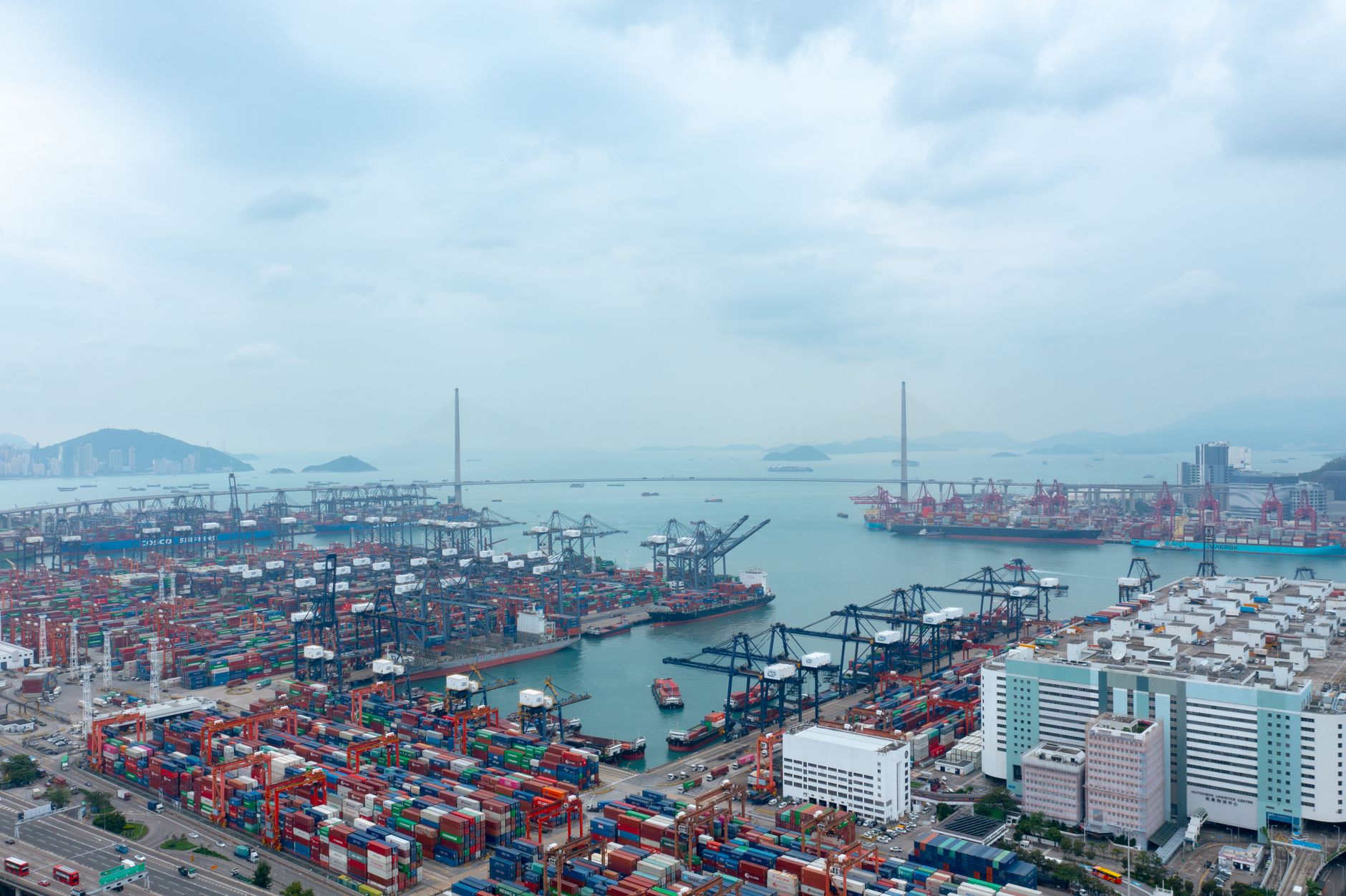
Founder Notes — Lotus Investment Group
Lien Chieu Deep-Sea Port: Opportunity and Real Constraints
Cảng nước sâu Liên Chiểu 1,76 tỷ USD: cơ hội nâng cấp thương mại và những ràng buộc thật phía sau
Việt Nam khởi công cảng nước sâu Liên Chiểu vốn đầu tư 1,76 tỷ USD, và dòng tít gần như tự viết: thêm công suất khai thác, đón tàu lớn hơn, một đất nước gánh được dòng thương mại nặng hơn. APM Terminals và Hateco đứng sau dự án, đó là tín hiệu nhà khai thác thật sự tin tưởng, chứ không phải thêm một ván cược hạ tầng do nhà nước dẫn dắt. Nhưng một dự án cảng được chấm điểm bằng mức khai thác, không phải bằng quy mô. Câu hỏi quyết định nó thành tài sản chiến lược hay khối vốn nằm chết rất đơn giản: hàng có thật sự về không, và khi hàng cập bến rồi, Việt Nam đưa nó đi tiếp được không?
Nhiều năm qua mô hình xuất khẩu của Việt Nam bị nghẽn ngay tại cầu cảng. Các cảng ở những vùng nhộn nhịp nhất rơi vào ùn tắc, sản lượng hàng chững lại, chi phí hậu cần leo thang. Công suất nước sâu là lời giải hiển nhiên: những con tàu trước đây phải trung chuyển qua Singapore hay Hong Kong nay cập bến thẳng, cắt được một chặng cả tiền lẫn thời gian. Đó là cơ hội, và nó có thật.
Ràng buộc nằm ở tầng dưới. Một cảng chỉ tốt ngang với mạng lưới đường bộ, đường sắt và hậu phương nội địa nuôi nó, ngang với con số dự báo nhu cầu mà người ta lấy làm căn cứ xây, ngang với khoản vốn phải hoàn trả và kỷ luật giao đúng tiến độ. Làm đúng mấy thứ đó, Liên Chiểu giúp Việt Nam chắc chân hơn trong thương mại khu vực. Làm sai, nó thành khối công suất đắt tiền ngồi chờ lượng hàng về chậm hơn lời hứa trên bảng tính. Bài này soi cả hai mặt.
Công suất nước sâu mở lại những tuyến hàng Việt Nam đang để rơi vào tay láng giềng
Lý lẽ ủng hộ Liên Chiểu bắt đầu từ cỡ tàu nó đón được. Nước sâu hơn nghĩa là tàu lớn hơn, mà tàu lớn hơn nghĩa là ghé thẳng các tuyến thương mại đông–tây chính, thay vì làm chân tiếp vận cho một điểm trung chuyển nào đó ở nơi khác. Mỗi công-ten-nơ phải đi qua cảng láng giềng trước đều cõng thêm một lần xếp dỡ và thêm một ngày đường. Cắt được khâu đó, bài toán kinh tế của bất kỳ nhà máy nào nằm gần cảng đều sáng lên, và đó là lý do cảng nước sâu thường kéo theo đầu tư công nghiệp về phía sau.
Có điều, công suất trên giấy không phải công suất ngoài thực địa. Cảng phải vận hành đạt chuẩn quốc tế: đủ độ sâu luồng, cẩu hiện đại, hải quan thông một lô hàng trong vài giờ chứ không phải vài ngày. Bến sâu mà cổng chậm vẫn để mất hàng vào tay cảng cạn hơn nhưng chạy nhanh hơn. Liên Chiểu có giành được những tuyến nó được thiết kế để phục vụ hay không, điều ấy phụ thuộc vào cách cảng vận hành sau khi cẩu bắt đầu quay, chứ không nằm ở lễ khởi công.
Nhu cầu phải có thật, đừng là con số dự báo tô hồng cho dự án
Đây là chỗ các cảng lớn hay sai nhất. Con số sản lượng hàng dùng để biện minh cho khoản đầu tư thường mặc định thương mại cứ tăng theo đúng đường nó vừa đi. Thực tế bẻ cong đường đó. Tuyến vận tải dịch chuyển, hiệp định thương mại xáo lại dòng chảy, và một cảng đối thủ phía dưới bờ biển cũng bồi thêm công suất cùng lúc. Xây dựa trên dự báo lạc quan thì nhận về một bến chạy nửa tải, biên lợi nhuận bị ép, và mốc hoàn vốn cứ trượt dần ra xa.
Một mô hình nhu cầu tỉnh táo phải đọc cùng lúc hai thứ: nhà máy và nhà xuất khẩu Việt Nam thực sự sẽ chở bao nhiêu, và cạnh tranh trong khu vực sẽ chia phần lượng hàng đang thực sự có trên bàn ra sao. Liên Chiểu không tranh hàng trong chân không. Nó đấu với những cảng đã chín, sẵn hãng tàu, sẵn kết nối nội địa, sẵn quan hệ khách hàng. Dự báo thắng cuộc là dự báo tính sòng phẳng phần cạnh tranh ấy, chứ không phải ước cho nó biến mất.
Kết nối nội địa quyết định cảng có chạy được hay không
Cảng không tự chở hàng. Nó chuyển hàng qua đường cao tốc, đường sắt và các trung tâm hậu cần nội địa nối nó tới nhà máy và người tiêu dùng. Khi mạng lưới ấy đi sau, ùn tắc không biến mất, nó chỉ rời khỏi cầu cảng và dồn lên những con đường phía sau. Một bến hạng nhất đổ hàng vào một tuyến nội địa nghẽn cứng thì vẫn là nút thắt cổ chai, chỉ là nút thắt có khung cảnh đẹp hơn.
Cho nên phần khó xây không phải cảng, mà là sự đồng bộ quanh nó. Đầu tư đường bộ và đường sắt phải về đích gần cùng lúc với các bến, và các đầu nối liên phương thức phải thật sự ăn khớp chứ đừng trao tay hàng ở từng mối nối. Việt Nam đã có cảng. Có hành lang phía sau đúng tiến độ hay không mới là câu hỏi định đoạt sản lượng hàng thực tế.
Cấu trúc PPP và chặng đường dài hoàn vốn
Một dự án cỡ này không thể chạy bằng vốn công đơn thuần, nên cấu trúc hợp tác công–tư quan trọng ngang phần kỹ thuật. Kéo những nhà khai thác như APM Terminals vào giúp chia sẻ rủi ro lẫn vốn, nhưng nó chỉ chạy được nếu khoản tài trợ đủ điều kiện vay: điều khoản nhượng quyền rõ ràng, doanh thu dự đoán được, mức chắc chắn pháp lý đủ để nhà đầu tư định chế dám bảo lãnh. Cấu trúc mập mờ chính là cách những dự án tốt mắc kẹt trước khi con tàu đầu tiên cập bến.
Hoàn vốn là ván cờ đường dài. Cảng nuốt một lượng vốn ban đầu rất lớn rồi trả lại từ từ, qua sản lượng và giá phí trải nhiều năm. Một bến chạy dưới công suất đối mặt một thế kẹt khó chịu: hạ giá để hút hàng, biên lợi nhuận mỏng đi, mốc hoàn vốn kéo dài thêm. Mô hình tài chính phải sống sót qua vài năm èo uột, chứ không chỉ những năm đẹp trời. Trụ được, Liên Chiểu hút tiếp vòng vốn sau; không trụ được, nó thành một dòng cảnh báo trong bài chào hạ tầng kế tiếp.
Năng lực thi công là biến số lặng lẽ định đoạt kết cục
Mọi điều nói trên đều giả định công trình được dựng đúng hạn, đúng ngân sách. Hạ tầng lớn hiếm khi đạt cả hai. Xây dựng, phê duyệt và lắp đặt vận hành phải khớp nhau, và chỉ một pha trễ thôi cũng lan ra cả bài toán kinh tế: lãi vay dồn lên, cửa sổ nhu cầu dịch chuyển, còn các nhà đầu tư đang dõi theo như một phép đo độ tin cậy của Việt Nam thì ghi nhận hết. Lịch sử giao đúng tiến độ được đọc như một tín hiệu vượt xa khỏi riêng dự án này.
Việt Nam có cơ hội biến Liên Chiểu thành điểm tham chiếu, không phải lời cảnh báo. Muốn vậy cần quản lý dự án giữ được tiến độ, phối hợp được giữa các cơ quan liên quan, và quy trách nhiệm rõ khi có pha trượt. Giao gọn ghẽ thì uy tín bồi vào thương vụ kế tiếp. Để nó trôi thì cái giá không chỉ là một cảng, mà là mức chiết khấu mỗi nhà đầu tư tương lai trừ vào lời hứa của đất nước.
Kết luận
Liên Chiểu vừa là một bước nâng cấp thật, vừa là một bài kiểm tra thật, cùng lúc. Cơ hội thì có thật và đáng giữ: tuyến nước sâu cập thẳng, chi phí hậu cần thấp hơn, đầu tư công nghiệp được kéo về phía sau. Ràng buộc cũng có thật: nhu cầu phải thành hình, mạng lưới nội địa phải theo kịp, khoản tài trợ phải sống qua những năm gầy, và thi công phải trụ vững.
Công suất là phần dễ của một cảng. Khai thác mới là phần khó. Nếu Việt Nam ghép được các bến với dự báo nhu cầu trung thực, một hành lang nội địa thông suốt và kỷ luật giao hàng, Liên Chiểu sẽ mạnh thêm lá bài thương mại khu vực. Nếu xây vượt trước cái hệ thống lẽ ra phải nuôi cảng, nó kết thúc trong vai một tài sản đắt tiền ngồi chờ hàng. Lễ khởi công mới chỉ là lời tuyên bố. Vài năm tới mới là câu trả lời thật.
Lotus Investment Group tư vấn M&A xuyên biên giới và FDI vào Việt Nam và Đông Nam Á. Nếu quý vị đang thẩm định một vị thế tại Việt Nam, liên hệ với chúng tôi.
Vietnam broke ground on the $1.76 billion Lien Chieu deep-sea port, and the headline writes itself: more capacity, larger vessels, a country handling heavier trade flows. APM Terminals and Hateco are behind it, which signals real operator confidence rather than another state-led infrastructure bet. But port projects are graded on use, not size. The question that decides whether this becomes a strategic asset or a stranded one is simple — will the cargo actually show up, and can Vietnam move it once it lands?
For years Vietnam’s export model has been throttled at the dock. Ports in the busiest regions hit congestion, throughput stalled, and logistics costs climbed. Deep-sea capacity is the obvious fix: ships that once transhipped through Singapore or Hong Kong can berth directly, cutting a leg of cost and time. That is the opportunity, and it is genuine.
The constraint sits one layer down. A port is only as good as the road, rail and inland network feeding it, the demand forecast it was built against, the financing that has to be repaid, and the discipline to deliver it on schedule. Get those right and Lien Chieu firms up Vietnam’s place in regional trade. Get them wrong and it becomes expensive capacity waiting for cargo that arrives slower than the spreadsheet promised. This piece takes both sides.
Deep-sea capacity unlocks routes Vietnam has been leaking to its neighbours
The case for Lien Chieu starts with the ships it can take. Deeper water means larger vessels, and larger vessels mean direct calls on the main east-west trade lanes instead of feeding a transshipment hub somewhere else. Every box that moves through a neighbouring port first carries an extra handling cost and an extra day. Cut that out and the economics of any factory sitting near the port improve, which is why deep-sea access tends to pull industrial investment in behind it.
Capacity on paper is not capacity in practice, though. The port has to run at global standards — enough draft, modern cranes, customs that clear a container in hours rather than days. A deep berth with slow gates still loses cargo to a shallower port that moves faster. Whether Lien Chieu captures the routes it was designed for depends less on the ceremony and more on how it operates once the cranes are turning.
Demand has to be real, not a forecast that flatters the business case
This is where large ports most often go wrong. The throughput number used to justify the investment tends to assume trade keeps growing along its recent line. Reality bends that line. Shipping routes shift, trade agreements reshuffle flows, and a rival hub down the coast adds its own capacity at the same time. Build against an optimistic forecast and you get a berth running half-empty, margins under pressure, and a payback horizon that keeps sliding out.
A sober demand model has to read two things at once: what Vietnam’s own factories and exporters will actually ship, and how regional competition will divide the cargo that is genuinely in play. Lien Chieu is not bidding for trade in a vacuum — it competes with mature ports that already have the shipping lines, the inland links and the customer relationships. The forecast that wins is the one that prices in that competition rather than wishing it away.
Inland connections decide whether the port works at all
A port does not move cargo on its own. It moves cargo through the highways, rail and inland depots that connect it to the factories and the consumers. When that network lags, the congestion does not disappear — it just shifts off the quay and onto the roads behind it. A world-class berth feeding a clogged inland route is a bottleneck with a nicer view.
So the harder build is not the port; it is the synchronisation around it. Road and rail investment has to land on roughly the same timeline as the berths, and the intermodal links have to actually connect rather than hand cargo off at every seam. Vietnam has the port. Whether it has the corridor behind it on the same schedule is the question that determines real throughput.
PPP structuring and the long road to capital recovery
A project this size cannot run on public money alone, which is why the public-private structure matters as much as the engineering. Bringing in operators like APM Terminals shares the risk and the capital, but it only works if the financing is bankable — clear concession terms, predictable revenue, regulatory certainty an institutional investor can underwrite. Vague structuring is how good projects stall before the first ship arrives.
Recovery is the long game. Ports swallow large upfront capital and pay it back slowly, over volume and pricing across years. A berth running below capacity faces a nasty squeeze: it drops prices to attract cargo, which thins margins and stretches the payback further still. The financial model has to survive a few soft years, not just the optimistic ones. If it does, Lien Chieu attracts the next round of capital; if it does not, it becomes a cautionary line in the next infrastructure pitch.
Execution is the quiet variable that decides the outcome
Everything above assumes the thing gets built on time and on budget. Large infrastructure rarely does both. Construction, approvals and operational setup all have to line up, and a delay in any one phase ripples through the economics — interest accrues, the demand window shifts, and the investors watching as a proxy for Vietnam’s reliability take note. Execution track record is read as a signal far beyond this single project.
Vietnam has the chance to make Lien Chieu a reference point rather than a warning. That takes project management that holds the schedule, coordination across the agencies involved, and accountability when phases slip. Deliver it cleanly and the credibility compounds into the next deal. Let it drift and the cost is not just this port — it is the discount every future investor applies to the country’s promises.
Conclusion
Lien Chieu is a genuine upgrade and a genuine test at the same time. The opportunity is real and worth having: direct deep-sea routes, lower logistics costs, industrial investment pulled in behind it. So are the constraints: demand that has to materialise, an inland network that has to keep pace, financing that has to survive lean years, and execution that has to hold.
Capacity is the easy part of a port. Use is the hard part. If Vietnam matches the berths with honest demand forecasts, a connected corridor and disciplined delivery, Lien Chieu strengthens its hand in regional trade. If it builds ahead of the system meant to feed the port, it ends up with an expensive asset waiting on cargo. The groundbreaking was the announcement. The next few years are the actual answer.
Lotus Investment Group advises on cross-border M&A and FDI into Vietnam and Southeast Asia. If you are underwriting Vietnam exposure, get in touch.
Nguồn / Sources
[1]
Vietnam Investment Review (2026) — APM Terminals and Hateco Group break ground on Lien Chieu Port.