

Vietnam Construction Partnerships: The $2.3B Test
April 24, 2026
Vietnam Railway Infrastructure: The Execution Risk
April 27, 2026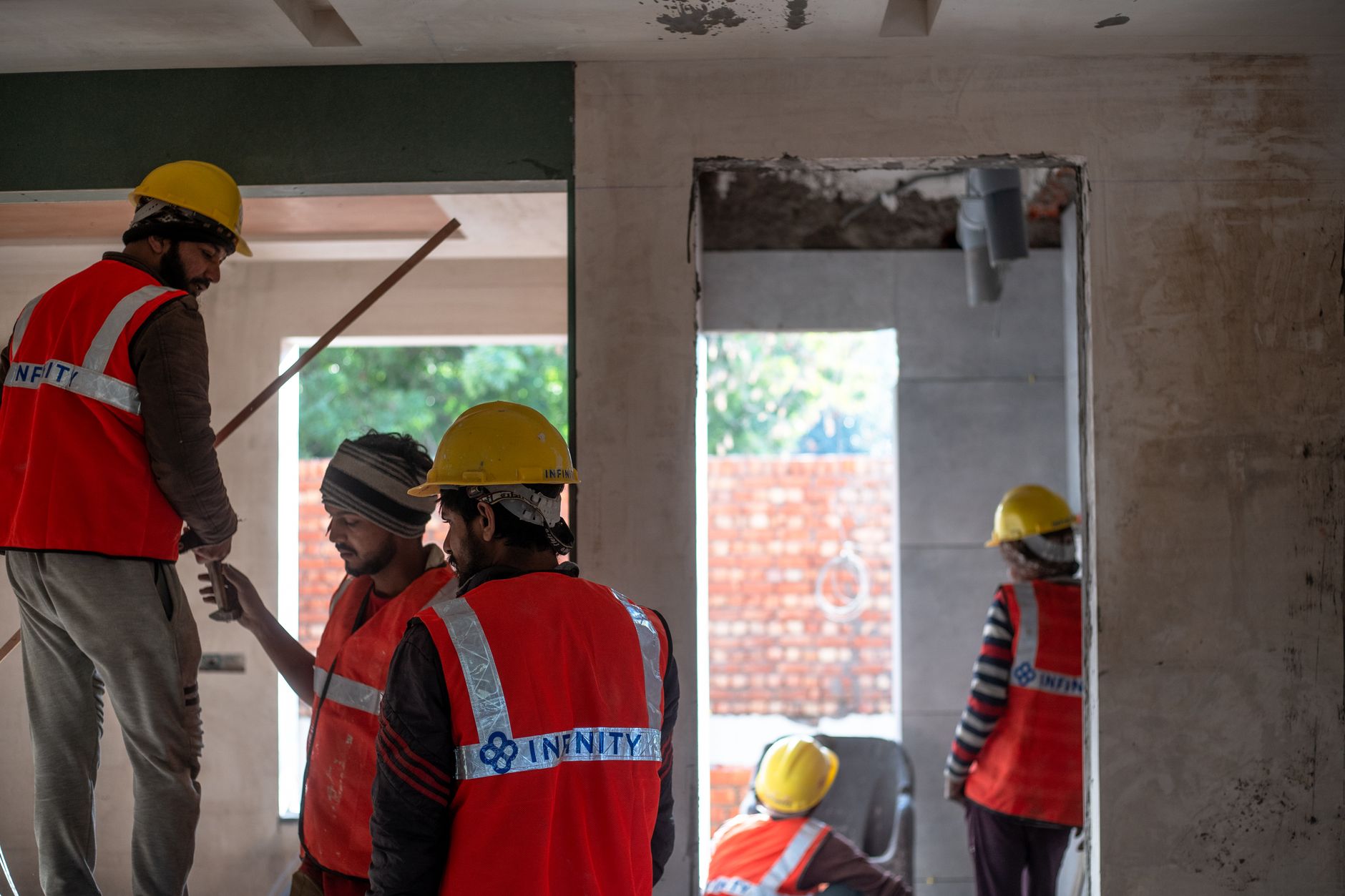
Founder Notes — Lotus Investment Group
Construction Capability Transfer in Vietnam: How It Moves
Năng lực nhà thầu di chuyển qua biên giới thế nào: mô hình liên doanh, chuỗi hoàn thiện và chuyển giao kỹ năng
Thỏa thuận 2,3 tỷ USD giữa Sun Group và Gold Mantis của Trung Quốc đặt ra một câu hỏi ít người mổ xẻ: năng lực thi công của một nhà thầu ngoại thực sự chảy vào thị trường trong nước bằng đường nào? Vốn thì dễ thấy. Phần khó thấy hơn là cơ chế đưa kỹ năng, quy trình và hệ thống kiểm soát chất lượng từ một tổ chức ngoại vào tay đội ngũ nội địa. Bài này đi vào đúng phần kỹ thuật đó, không bàn lại chuyện deal có hấp dẫn hay không.
Một hợp tác kiểu này không chuyển giao năng lực bằng một chữ ký. Nó chuyển giao qua cách dựng liên doanh, qua chuỗi cung ứng vật liệu hoàn thiện, qua người làm cùng người, và qua bộ quy trình kiểm soát chất lượng và đo bóc khối lượng mà nhà thầu ngoại áp vào công trường. Mỗi kênh ấy vận hành theo một logic riêng, và mỗi kênh đều có thể nghẽn.
Đọc thỏa thuận Sun Group–Gold Mantis dưới góc này thú vị hơn. Nó cho thấy phần năng lực ở lại Việt Nam sau khi nhà thầu ngoại rời đi phụ thuộc vào những lựa chọn cấu trúc rất cụ thể: liên doanh chia việc thế nào, ai giữ bản vẽ và phương pháp, thầu phụ trong nước đứng ở đâu trong chuỗi, và hệ thống quản trị chất lượng có được dạy lại hay chỉ được áp đặt. Đây là tầng cơ chế nằm dưới câu chuyện vốn.
Mô hình liên doanh quyết định năng lực ở lại bao nhiêu
Cách dựng liên doanh là nơi đầu tiên định đoạt phần năng lực được giữ lại. Một liên doanh chia việc theo kiểu nhà thầu ngoại làm hết phần khó, đội nội địa chỉ lo thủ tục và mặt bằng, thì kết thúc dự án gần như không còn gì đọng lại. Ngược lại, liên doanh phân vai để kỹ sư trong nước trực tiếp cầm phần kỹ thuật cốt lõi, dù chậm hơn và tốn hơn lúc đầu, mới dựng được nội lực thật. Vấn đề không phải có liên doanh hay không, mà là liên doanh đặt ranh giới công việc ở đâu.
Một dự án cỡ thỏa thuận Sun Group–Gold Mantis là cơ hội thử nghiệm những phân vai ấy ở quy mô lớn. Nhà đầu tư đọc kỹ xem hợp tác được dựng để đội nội địa lớn lên, hay chỉ để mượn tay nhà thầu ngoại cho xong một công trình. Cấu trúc liên doanh hé lộ ý định đó rõ hơn mọi tuyên bố. Phân vai rộng cho phía nội thì năng lực đọng lại nhiều; phân vai hẹp thì dự án xong là năng lực đi theo nhà thầu.
Chuỗi cung ứng hoàn thiện là phần dễ bị bỏ quên nhất
Một nhà thầu lớn không chỉ mang theo đội thi công, mà cả một mạng lưới nhà cung ứng vật liệu và cấu kiện hoàn thiện đã quen làm việc với họ. Đây là chỗ năng lực dễ rò ra ngoài nhất: nếu toàn bộ vật liệu, cấu kiện và bán thành phẩm đều nhập theo chuỗi của nhà thầu ngoại, thì nhà cung ứng trong nước không bao giờ chạm tới tiêu chuẩn cao hơn, và công trình tuy đẹp nhưng chuỗi nội địa vẫn đứng yên.
Phần cơ chế nằm ở chỗ nội địa hóa chuỗi hoàn thiện tới đâu. Nếu hợp tác buộc nhà cung ứng trong nước đạt chuẩn để vào chuỗi, dù chỉ một phần, thì năng lực lan ra ngoài phạm vi công trường. Nếu không, năng lực dừng lại ở ranh giới hợp đồng. Nhà đầu tư đánh giá thị trường qua việc các dự án lớn có kéo theo nâng cấp chuỗi cung ứng nội địa hay chỉ nhập trọn gói từ bên ngoài. Chuỗi hoàn thiện nội địa mạnh lên tới đâu, giá trị giữ lại tới đó.
Chuyển giao kỹ năng xảy ra ở công trường, không phải trên giấy
Kỹ năng thi công không chuyển qua một điều khoản hợp đồng. Nó chuyển khi kỹ sư và công nhân trong nước làm cùng người của nhà thầu ngoại trên cùng một công trường, thấy cách họ xử lý sai số, đọc cách họ ra quyết định khi gặp vướng. Phần học được nằm trong thao tác lặp đi lặp lại, trong việc kèm cặp tại chỗ, chứ không nằm trong tài liệu bàn giao. Một liên doanh có thể có hợp đồng rất đẹp mà vẫn không chuyển giao được gì, nếu hai đội làm tách nhau.
Vì thế cơ chế quan trọng là cách bố trí người. Đội ngũ ghép chung, vai trò chồng lấn có chủ đích, người trong nước được giao phần việc đủ khó để học, đó mới là kênh chuyển giao thật. Việt Nam cần khung khuyến khích kiểu bố trí ấy: đào tạo tại chỗ, cơ cấu quản lý chung, ràng buộc về tỷ lệ nhân sự nội địa ở các vị trí kỹ thuật. Học qua tay nghề thì ở lại; chỉ nhận tài liệu thì kiến thức đi theo nhà thầu khi họ rời công trường.
Hệ thống kiểm soát chất lượng và đo bóc khối lượng là phần giá trị bền nhất
Phần năng lực bền nhất một nhà thầu ngoại có thể để lại không phải kỹ thuật xây một hạng mục cụ thể, mà là bộ hệ thống quản trị: kiểm soát chất lượng, đo bóc khối lượng, nghiệm thu từng công đoạn, quản lý hồ sơ. Đó là cách một tổ chức giữ cho chất lượng đều tay qua nhiều dự án và nhiều đội khác nhau. Một hạng mục đẹp chỉ là kết quả; hệ thống tạo ra kết quả đó mới là thứ nhân rộng được.
Vấn đề là hệ thống này thường bị áp đặt thay vì dạy lại. Nhà thầu ngoại mang quy trình của họ vào, đội nội địa tuân theo trong suốt dự án rồi quên khi dự án kết thúc. Chuyển giao thật là khi quy trình kiểm soát chất lượng và đo bóc khối lượng được đội trong nước hiểu tới mức tự vận hành ở dự án sau mà không cần nhà thầu ngoại. Nhà đầu tư nhìn vào chính điểm đó để đoán một thị trường có đang dựng được hệ thống thực thi tự đứng được hay không.
Thầu phụ trong nước là nơi năng lực hoặc lan ra hoặc nghẽn lại
Phần lớn khối lượng thi công thực tế chạy qua thầu phụ, nên thầu phụ trong nước chính là điểm năng lực có lan ra ngoài liên doanh hay không. Nếu nhà thầu ngoại kéo theo cả mạng lưới thầu phụ của họ, đội thầu phụ nội địa đứng ngoài và không học được gì. Nếu hợp tác đưa thầu phụ trong nước vào chuỗi với tiêu chuẩn được nâng dần, năng lực rò ra cả tầng dưới của ngành.
Đây là kênh ít được nói tới nhưng quyết định độ rộng của chuyển giao. Một liên doanh chỉ nâng được vài kỹ sư đầu ngành thì tác động hẹp; một liên doanh kéo theo cả lớp thầu phụ đạt chuẩn cao hơn thì nâng được mặt bằng cả ngành xây dựng nội địa. Việt Nam cần ràng buộc và khuyến khích để thầu phụ trong nước vào được chuỗi của các dự án lớn, thay vì bị thay trọn bằng mạng lưới nhập khẩu. Thầu phụ nội địa vào sâu tới đâu, năng lực lan rộng tới đó.
Kết luận
Năng lực nhà thầu không di chuyển qua biên giới bằng một con số 2,3 tỷ USD. Nó di chuyển qua cách dựng liên doanh, qua mức nội địa hóa chuỗi hoàn thiện, qua cách bố trí người trên công trường, qua việc hệ thống kiểm soát chất lượng được dạy lại hay chỉ áp đặt, và qua chỗ đứng của thầu phụ trong nước. Đó là tầng cơ chế quyết định phần giá trị ở lại sau khi nhà thầu ngoại rời đi.
Chặng kế tiếp với Việt Nam là biến các dự án lớn thành kênh dựng nội lực thật, chứ không chỉ thuê năng lực cho từng công trình. Làm được, mỗi dự án để lại một lớp kỹ năng, một hệ thống quản trị và một chuỗi cung ứng khá lên cho dự án sau. Không làm được, dự án nào cũng đẹp mà ngành vẫn phải đi mượn năng lực từ đầu mỗi lần.
Lotus Investment Group tư vấn M&A xuyên biên giới và FDI vào Việt Nam và Đông Nam Á. Nếu quý vị đang thẩm định một vị thế tại Việt Nam, liên hệ với chúng tôi.
The $2.3 billion partnership between Sun Group and China’s Gold Mantis raises a question few people dissect: by what route does a foreign contractor’s execution capability actually flow into the domestic market? Capital is the visible part. The harder part to see is the mechanism that moves skills, working processes, and the quality-control systems behind them from a foreign organisation into the hands of local teams. This piece works through that machinery, rather than re-arguing whether the deal is attractive.
A partnership of this kind does not transfer capability with a signature. It transfers through how the joint venture is structured, through the fit-out supply chain, through people working alongside people, and through the quality-control and quantity-surveying systems the foreign contractor imposes on site. Each channel runs on its own logic, and each can choke.
Read the Sun Group–Gold Mantis deal through this lens and it gets more interesting. What capability stays in Vietnam after the foreign contractor leaves depends on very specific structural choices: how the venture splits the work, who holds the drawings and methods, where local subcontractors sit in the chain, and whether the quality-management system is taught back or merely enforced. This is the layer of mechanics underneath the capital story.
The joint-venture model decides how much capability stays
How the venture is built is the first thing that settles what capability remains. A venture that hands the foreign contractor all the hard work while the local side handles permits and land ends the project with almost nothing left behind. A venture that puts local engineers directly on the core technical work, slower and costlier at the outset, is the one that builds real domestic capacity. The question is not whether there is a venture, but where the venture draws the line between the work each side does.
A project on the scale of the Sun Group–Gold Mantis deal is a chance to test those splits at size. Investors read closely whether the partnership is built for the local team to grow, or merely to borrow the foreign contractor’s hands to finish a building. The venture structure reveals that intent more clearly than any statement. A wide split toward the local side leaves capability behind; a narrow one means the capability leaves with the contractor when the project ends.
The fit-out supply chain is the part most easily overlooked
A large contractor brings more than a crew. It brings a network of suppliers of finishing materials and components that are used to working with it. This is where capability leaks out most easily: if every material and component is imported through the foreign contractor’s chain, local suppliers never reach the higher standard, and the building looks fine while the domestic chain stays where it was.
The mechanism turns on how far the fit-out supply chain is localised. If the partnership forces local suppliers to meet the standard to enter the chain, even in part, capability spreads beyond the site. If not, it stops at the contract boundary. Investors judge a market by whether large projects pull domestic supply chains up or simply import the whole package. The stronger the local fit-out chain grows, the more value stays at home.
Skills transfer happens on site, not on paper
Construction skill does not move through a contract clause. It moves when local engineers and workers work alongside the foreign contractor’s people on the same site, watch how they handle tolerances, and read how they decide when something goes wrong. What gets learned lives in the repeated motions and the coaching on the spot, not in a handover document. A venture can have a handsome contract and still transfer nothing if the two teams work apart.
So the mechanism that matters is how people are deployed. The real transfer channel is mixed teams, with deliberately overlapping roles and local staff given work hard enough to learn from. Vietnam needs frameworks that encourage that deployment: on-site training, joint management structures, a floor for local staffing at technical positions. Skill learned through the hands stays; documents alone walk off with the contractor when it leaves the site.
Quality-control and quantity-surveying systems are the most durable value
The most durable capability a foreign contractor can leave behind is not the technique for building one specific element, but the management systems: quality control, quantity surveying, stage-by-stage acceptance, document control. That is how an organisation keeps quality even across many projects and different crews. A handsome element is the result; the system that produces it is the thing that scales.
The catch is that these systems tend to be enforced rather than taught back. The foreign contractor brings in its processes, the local team follows them through the project and forgets them once it ends. Real transfer is when the local team understands the quality-control and quantity-surveying process well enough to run it themselves on the next project without the foreign contractor. Investors look at exactly that point to judge whether a market is building an execution system that can stand on its own.
Local subcontractors are where capability either spreads or chokes
Most of the actual construction work runs through subcontractors, so local subcontractors are the point at which capability either spreads beyond the venture or does not. If the foreign contractor brings its own subcontractor network, the local tier stands outside and learns nothing. If the partnership brings local subcontractors into the chain at a rising standard, capability leaks into the lower tier of the industry.
This is the channel least talked about, yet it decides how wide the transfer goes. A venture that lifts only a few senior engineers has narrow impact; one that brings a whole layer of subcontractors up to a higher standard raises the floor of the domestic construction industry. Vietnam needs requirements and incentives that get local subcontractors into the chain of large projects, rather than seeing them replaced wholesale by an imported network. The deeper local subcontractors go, the wider capability spreads.
Conclusion
Contractor capability does not cross the border on a $2.3 billion figure. It moves through how the joint venture is built, how far the fit-out chain is localised, how people are deployed on site, whether the quality-control system is taught back or merely enforced, and where local subcontractors stand. That is the layer of mechanics that decides what value stays once the foreign contractor leaves.
The next step for Vietnam is to turn large projects into a channel for building real domestic capacity, not just renting capability for each building. Done well, every project leaves behind a layer of skills, a management system, and a supply chain that is better for the next one. Done poorly, each project looks fine while the industry keeps borrowing capability from scratch every time.
Lotus Investment Group advises on cross-border M&A and FDI into Vietnam and Southeast Asia. If you are underwriting Vietnam exposure, get in touch.
Nguồn / Sources
[1]
Vietnam Investment Review (2026) — Sun Group partners with China’s Gold Mantis in $2.3 billion deal.
[2]
Bài liên quan / Related: https://lotusventure.co/2026/04/vietnam-mega-project-capital-structuring/