

Vietnam Public Investment Mechanism: Inside the Controls
April 7, 2026
Vietnam Provincial Capital Allocation: The Mechanism
April 8, 2026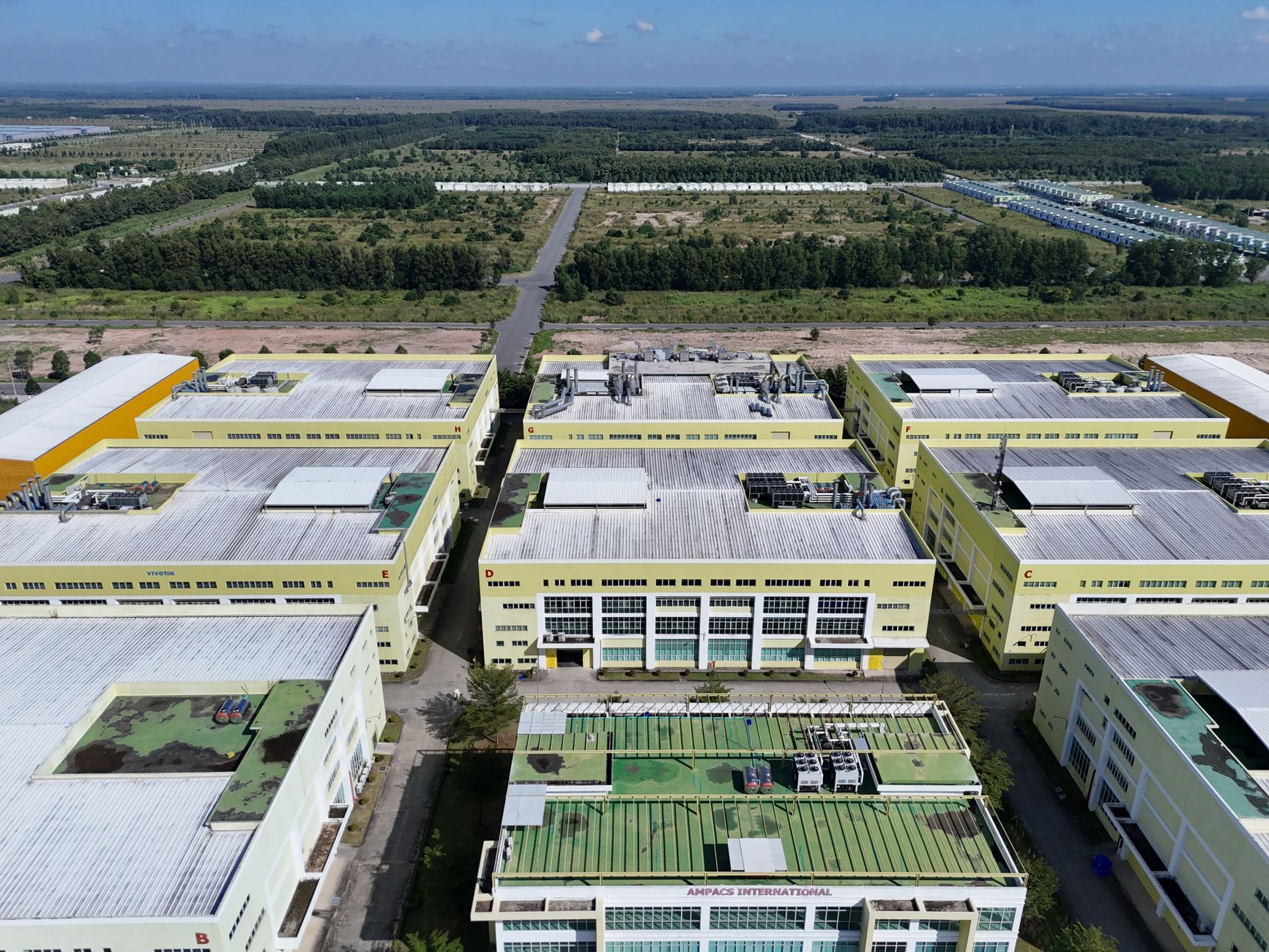
Founder Notes — Lotus Investment Group
Gia Lai Investment Inflow: $3.3B and Vietnam’s Capital Shift
Gia Lai hút 3,3 tỷ USD: vốn FDI đang rời đô thị lớn, và cuộc đua mới giữa các tỉnh
Gia Lai vừa gom được khoảng 3,3 tỷ USD vốn cam kết. Con số ấy đáng chú ý không phải vì nó lớn so với TP. Hồ Chí Minh hay Hà Nội, mà vì nó rơi vào một tỉnh từng nằm ngoài bản đồ ưu tiên của nhà đầu tư. Dòng vốn đổ vào đây hé lộ một dịch chuyển sâu hơn: tiền đang chảy ra khỏi các trung tâm đô thị quen thuộc, tìm tới những thị trường cấp tỉnh mới nổi nơi còn quỹ đất, chi phí thấp hơn và chính sách ưu đãi rộng tay.
Một thập niên trước, câu hỏi của nhà đầu tư gần như chỉ xoay quanh: đặt nhà máy ở khu nào quanh Sài Gòn hay Hà Nội. Giờ câu hỏi đã khác. Họ so sánh các tỉnh với nhau như so sánh những phương án cạnh tranh — tỉnh nào có hạ tầng sẵn sàng, bộ máy hành chính chạy nhanh, và năng lực đưa dự án từ giấy phép ra thực địa. Vị trí địa lý không còn là yếu tố quyết định một mình.
Đây là thay đổi lành mạnh cho cả nền kinh tế: bớt sức ép lên hai siêu đô thị, mở dư địa tăng trưởng cho vùng còn dưới chuẩn. Nhưng nó cũng đặt ra một bài toán mới. Cuộc đua hút vốn giữa các tỉnh dễ tạo chênh lệch: tỉnh mạnh hút phần lớn, tỉnh yếu càng tụt lại. Và bản thân con số 3,3 tỷ USD của Gia Lai mới chỉ là vốn cam kết — khoảng cách giữa cam kết và giải ngân thật mới là phép thử khó.
Vốn đang rời trung tâm, tìm về tỉnh
Việc Gia Lai hút được khoản vốn cỡ này nằm trong một xu hướng rộng hơn: nhà đầu tư bố trí lại dòng vốn theo vùng. Họ chấm điểm địa điểm theo chi phí, quỹ đất và khả năng mở rộng dài hạn, thay vì cứ bám lấy vành đai quanh đô thị lớn. Xu hướng này ăn khớp với hai sức ép song song — chuỗi cung ứng toàn cầu đang được sắp xếp lại, và quỹ đất công nghiệp ở các trung tâm cũ ngày một chật, giá thuê ngày một cao.
Một tỉnh như Gia Lai chào được điều mà vùng ven Sài Gòn khó chào: đất rộng, giá mềm, và năng lượng tái tạo dồi dào — điện gió, điện mặt trời ở Tây Nguyên là lợi thế thật khi nhà đầu tư ngày càng tính tới nguồn điện sạch. Nhưng phân tán vốn về tỉnh kéo theo một cái giá ít ai nói tới: bài toán điều phối. Hút được vốn là một chuyện; có đủ bộ máy và con người để quản một dự án quy mô lớn lại là chuyện khác hẳn.
Sức cạnh tranh cấp tỉnh quyết định ai hút được vốn
Khi vị trí không còn quyết định, thứ thay thế nó là năng lực cạnh tranh của từng tỉnh. Các tỉnh giờ cạnh nhau trên nhiều mặt cùng lúc: hạ tầng kết nối, tốc độ xử lý thủ tục, và chất lượng ưu đãi. Việc Gia Lai hút được vốn cho thấy tỉnh này đã cải thiện ở những mặt ấy và chủ động hơn trong cách tiếp cận nhà đầu tư. Nhà đầu tư chấm tỉnh theo khả năng giúp họ triển khai dự án và hạ rủi ro vận hành, chứ giá đất rẻ thôi chưa đủ.
Cạnh tranh kiểu này buộc các tỉnh phải siết lại quản trị và rút gọn quy trình, một sức ép tốt. Nhưng nó cũng phơi ra mặt trái: chênh lệch năng lực giữa các tỉnh tạo kết quả không đều. Có tỉnh hút được vốn nhưng không quản nổi; có tỉnh chật vật ngay từ khâu mời gọi. Đây là chỗ vai trò điều phối của trung ương trở nên thiết yếu — để cuộc đua không biến thành tình trạng tỉnh giàu kéo hết về mình, tỉnh nghèo bị bỏ lại.
Hạ tầng quyết định vốn có thể mở rộng tới đâu
Hạ tầng là điều kiện nền cho việc một dự án vùng có nhân rộng được hay không. Mạng giao thông, nguồn điện và hệ thống hậu cần phải gánh được hoạt động kinh tế tăng lên. Gia Lai hút được khoản vốn lớn cho thấy có tiến bộ ở những mặt này, nhưng quãng đường còn lại không ngắn. Nhà đầu tư ưu tiên nơi mà hạ tầng đỡ được vận hành dài hạn; thiếu hạ tầng, dự án dễ trễ tiến độ và đội chi phí.
Tây Nguyên có lợi thế năng lượng tái tạo, song điểm yếu cố hữu vẫn là kết nối: đường tới cảng biển xa hơn, chi phí hậu cần cao hơn so với các tỉnh ven biển hay sát TP. Hồ Chí Minh. Đây là nút thắt thật mà một khoản vốn cam kết chưa gỡ được ngay. Việt Nam còn phải rót tiếp vào hạ tầng vùng, và quy hoạch hạ tầng phải đi cùng nhịp với dòng vốn thì hiệu quả mới tối đa. Năng lực hệ thống tới đâu, khả năng mở rộng tới đó.
Khoảng cách giữa cam kết và giải ngân
Đây là chiều mà cách đọc lạc quan hay bỏ qua. Vốn cam kết và vốn giải ngân thật là hai con số khác nhau, đôi khi cách nhau rất xa. Một dự án phải đi trót lọt từ phê duyệt tới triển khai mới sinh ra giá trị; tỉnh thiếu năng lực hành chính dễ vấp ngay ở khúc này. Trễ tiến độ hay ách tắc thủ tục bào mòn niềm tin nhà đầu tư và chặn luôn dòng vốn về sau. Năng lực thực thi vì thế tác động trực tiếp lên tăng trưởng vùng.
Gia Lai sẽ phải siết phối hợp giữa các sở ngành và các bên liên quan để bảo đảm dự án chạy đều. Đào tạo cán bộ và hỗ trợ thể chế là điều kiện để giữ nhịp đầu tư. Nhà đầu tư theo dõi rất kỹ thành tích triển khai trước khi rót thêm tiền: giao hàng đúng hẹn củng cố vị thế của tỉnh như một điểm đến mới nổi; thực thi yếu thì xói mòn mọi tiến bộ đã có. Nói cách khác, 3,3 tỷ USD trên giấy chỉ thành 3,3 tỷ USD thật nếu bộ máy tỉnh đỡ được.
Quản rủi ro cho một mô hình tăng trưởng phân tán
Phân tán vốn về nhiều tỉnh tạo ra một lớp rủi ro mới: rủi ro điều phối. Mỗi tỉnh có cách quản đầu tư riêng, cách diễn giải quy định riêng, dẫn tới kết quả không đồng nhất. Nhà đầu tư phải tính tới điều này khi chọn nơi đặt dự án — khác biệt trong cách áp thủ tục giữa các tỉnh đủ sức làm lệch cả tiến độ. Quản rủi ro vì thế thành một phần không tách rời của chiến lược đầu tư.
Việt Nam cần giữ được sự nhất quán giữa các tỉnh để hạ lớp rủi ro này, đồng thời vẫn chừa khoảng linh hoạt cho từng địa phương. Khung hướng dẫn và giám sát của trung ương giúp các tỉnh đi cùng một hướng mà không bị bó cứng. Nhà đầu tư cân nhắc cả điều kiện địa phương lẫn khung quốc gia khi định lượng rủi ro; phối hợp tốt thì bớt bất định và tăng sức hấp dẫn. Cuộc đua giữa các tỉnh, nếu được điều tiết khéo, sẽ nâng chất lượng cả môi trường đầu tư quốc gia thay vì làm nó vỡ vụn.
Kết luận
Khoản vốn 3,3 tỷ USD của Gia Lai phản ánh một dịch chuyển sâu trong cách Việt Nam phân bổ vốn theo vùng. Tiền đang rời các trung tâm cũ, mở cơ hội cho phát triển cân bằng hơn và giảm sức ép lên hai siêu đô thị. Nhưng giữ được đà này đòi hỏi ba thứ phải khớp cùng lúc: sức cạnh tranh cấp tỉnh, hạ tầng đủ mạnh, và năng lực thực thi đưa cam kết thành giải ngân thật.
Chặng tới của phát triển vùng sẽ phụ thuộc vào sự nhất quán và phối hợp giữa các cấp chính quyền. Tỉnh nào chứng minh được năng lực thực thi và quản trị tốt sẽ giữ được dòng vốn ổn định; tỉnh nào chỉ giỏi mời gọi mà yếu triển khai sẽ thấy vốn cam kết bốc hơi. Quỹ đạo của Gia Lai cho thấy tiềm năng thật của các thị trường cấp tỉnh trong bức tranh vốn đang định hình lại của Việt Nam — với điều kiện cuộc đua được điều tiết để cùng tiến, chứ không phải để vài tỉnh kéo hết về mình.
Lotus Investment Group tư vấn M&A xuyên biên giới và FDI vào Việt Nam và Đông Nam Á. Nếu quý vị đang thẩm định một vị thế tại Việt Nam, liên hệ với chúng tôi.
Gia Lai has pulled in roughly $3.3 billion in committed capital. The number matters less for its size against Ho Chi Minh City or Hanoi than for where it landed — a province that used to sit off the investor map. Capital flowing here points to a deeper shift: money is moving out of the familiar urban centres and into emerging provincial markets where land, lower costs, and generous incentives open new room.
A decade ago an investor’s question was narrow: which industrial zone around Saigon or Hanoi. Now it has changed. Provinces get compared against each other like competing options — which one has infrastructure ready, an administration that moves fast, and the capacity to take a project from permit to ground. Geography no longer decides on its own.
For the wider economy this is healthy: less pressure on the two megacities, more growth headroom in regions that have lagged. But it raises a new problem. Competition for capital among provinces can widen gaps, with stronger provinces drawing the bulk and weaker ones falling further behind. And Gia Lai’s $3.3 billion is committed capital — the distance between commitment and actual disbursement is the harder test.
Capital is leaving the centre for the provinces
Gia Lai attracting capital at this scale belongs to a broader pattern: investors are reallocating money by region. They score locations on cost, land, and long-term scalability rather than clinging to the belt around a big city. The trend tracks two pressures at once — global supply chains being rearranged, and industrial land in the old centres getting scarcer and dearer.
A province like Gia Lai offers what the Saigon fringe cannot: open land, soft prices, and abundant renewable energy. Wind and solar across the Central Highlands are a real edge as investors weigh clean power more heavily. But pushing capital out to the provinces carries a cost few mention — coordination. Winning the investment is one thing; having the institutions and people to manage a large project is another.
Provincial competitiveness now decides who wins capital
When location stops deciding, provincial competitiveness takes its place. Provinces now compete on several fronts at once: connective infrastructure, the speed of administrative processing, and the quality of incentives. Gia Lai’s success reflects gains in these areas and a more proactive stance toward investors. They grade a province on its ability to help them implement and cut operational risk, not on land price alone.
This kind of competition forces provinces to tighten governance and trim procedures, which is welcome pressure. It also exposes the downside: capacity gaps across provinces produce uneven outcomes. Some win capital they cannot manage; others struggle at the invitation stage. Here national coordination becomes essential — so the race doesn’t turn into rich provinces taking everything while poorer ones get left behind.
Infrastructure sets the ceiling on scale
Infrastructure is the base condition for whether a regional project can scale. Transport networks, power supply, and logistics have to carry rising activity. Gia Lai drawing large capital signals progress here, but the road left is not short. Investors favour places where infrastructure can carry long-term operations; without it, projects slip and costs climb.
The Central Highlands has a renewable-energy advantage, yet its standing weakness is connectivity: it sits farther from seaports, with higher logistics costs than coastal provinces or those next to Ho Chi Minh City. That is a real bottleneck a single committed sum will not clear overnight. Vietnam still has to keep funding regional infrastructure, and that planning has to move in step with the capital for the efficiency to hold. System capacity sets the ceiling on scale.
The gap between commitment and disbursement
This is the dimension the upbeat read tends to skip. Committed capital and disbursed capital are two different numbers, sometimes far apart. A project has to move cleanly from approval to implementation to create value, and a province short on administrative capacity stumbles right here. Delays or procedural jams erode investor confidence and choke off later inflows. Execution capacity therefore feeds straight into regional growth.
Gia Lai will have to tighten coordination across departments and stakeholders so projects run steadily. Training officials and building institutions is the condition for holding investment momentum. Investors watch the delivery record closely before they commit more: on-time execution cements the province as an emerging destination, while weak delivery erodes whatever progress exists. Put plainly, $3.3 billion on paper becomes $3.3 billion in reality only if the provincial machine can carry it.
Managing risk in a decentralised growth model
Spreading capital across many provinces creates a new layer of risk: coordination risk. Each province manages investment its own way and reads regulation its own way, which produces uneven outcomes. Investors have to price this when choosing a site — differences in how procedures get applied can shift a whole timeline. Risk management becomes inseparable from investment strategy.
Vietnam needs consistency across provinces to lower this risk while still leaving room for local flexibility. National guidelines and oversight keep provinces pointed the same way without locking them rigid. Investors weigh both local conditions and the national framework when sizing risk; good coordination cuts uncertainty and lifts appeal. The race among provinces, steered well, raises the quality of the national investment environment rather than fragmenting it.
Conclusion
Gia Lai’s $3.3 billion reflects a deep shift in how Vietnam allocates capital by region. Money is leaving the old centres, opening room for more balanced development and easing pressure on the two megacities. But holding this momentum needs three things to line up at once: provincial competitiveness, strong enough infrastructure, and the execution capacity to turn commitment into real disbursement.
The next stretch of regional development will hinge on consistency and coordination across levels of government. Provinces that prove execution and governance will hold steady capital; those good at the pitch but weak on delivery will watch committed money evaporate. Gia Lai’s trajectory shows the real potential of provincial markets in Vietnam’s reshaping capital landscape — provided the race is steered so provinces rise together, not so a few pull everything in.
Lotus Investment Group advises on cross-border M&A and FDI into Vietnam and Southeast Asia. If you are underwriting Vietnam exposure, get in touch.
Nguồn / Sources
[1]
Vietnam Investment Review (2026) — Gia Lai pulls in $3.3 billion in total investment.